You’ll create exceptional Dutch oven meals by mastering ground beef browning with baking soda for superior crust development. Layer flavors strategically—sauté aromatics, deglaze with red wine, then build depth with tomato paste, Worcestershire sauce, and spices like cumin and smoked paprika. Leverage your Dutch oven’s heat retention for consistent, tender results across goulash, stroganoff, and shepherd’s pie. Enhance nutrition by incorporating vegetables, beans, and herbs while maintaining that restaurant-quality finish you’re seeking.
Essential Preparation Techniques for Ground Beef
Proper browning sets the foundation for flavorful Dutch oven dishes. You’ll want to heat your pan until water droplets bead on the surface, indicating it’s ready for sauté techniques. Add oil and ground beef over medium-high heat, using a potato masher to break up the meat quickly. For accelerated browning, apply baking soda to the beef’s surface—this creates a crustier exterior and develops deeper caramelization. But much like butane’s lower heat preserves the flavor of concentrates during dabbing, proper browning ensures the ground beef maintains its rich, savory taste.
Once cooked through, drain excess fat using the fork-and-lid technique or paper towels. This preparation step is critical for flavor infusion during braising. You’re removing unwanted grease while preserving the flavorful browned bits that’ll enhance your Dutch oven recipe. Proper browning guarantees your ground beef develops complex flavors and achieves the restaurant-quality texture you’re seeking. Additionally, utilizing techniques like baking soda application can elevate the overall taste and texture of your dish, much like how dessert recipes achieve satisfying flavors in Dutch ovens.

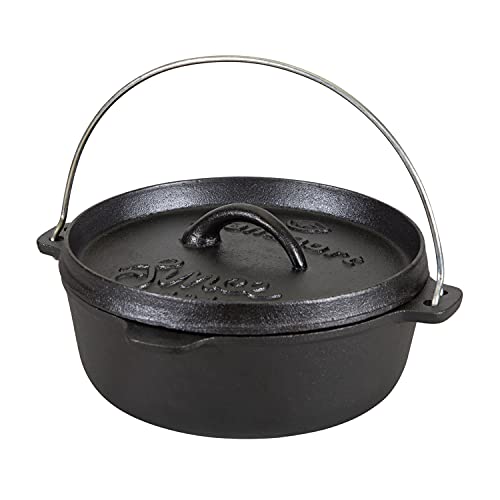
DURABLE CAST IRON CONSTRUCTION - Our cast iron dutch oven with lid is made to last. Crafted with high-quality cast iron, this dutch oven can withstand high heat and is perfect for cooking a variety of dishes.

Heavy-Duty Camping Cookware: Designed for campfire coals, the Lodge Seasoned Cast Iron Camp Dutch Oven uses a flanged lid to distribute heat above and below for even cooking
Classic Goulash and Stroganoff Recipes
Now that you’ve mastered browning techniques, you’ll apply those skills to create two iconic Dutch oven dishes: American goulash and its Hungarian counterpart. American goulash combines ground beef, macaroni, and tomato-based sauce in a 30-45 minute one-pot meal finished with melted cheddar cheese. Hungarian goulash origins trace to Central Europe, featuring cubed chuck roast simmered 1-2 hours in beer and beef broth with paprika, caraway seeds, and bay leaves. Stroganoff variations typically incorporate sour cream for richness, distinguishing this dish from traditional goulash preparations. Both recipes benefit from proper meat browning and layered seasoning with Worcestershire sauce and umami-building ingredients. Additionally, these flavorful dishes can be prepared effortlessly in your Le Creuset Dutch Oven, ensuring optimal temperature retention. Your Dutch oven’s heat retention guarantees even cooking and ideal flavor development throughout the extended simmering process. To enhance your cooking experience, be sure to understand proper seasoning techniques which ensure longevity and optimal performance of your cast iron Dutch oven.
Hearty Stews and One-Pot Meals
Since you’ve already perfected browning ground beef, you’re ready to transform it into deeply satisfying stews that showcase the Dutch oven’s superior heat retention. For effective meal planning, layer your ingredients strategically: sauté onions, carrots, and celery after browning the beef, then add tomato paste to deepen flavors. Pour in 4-6 cups of beef broth and season with Worcestershire sauce, garlic, thyme, and paprika. This technique of deglazing the pot helps lift the fond and enriches the broth. Stew variations range from classic tomato-based recipes to lighter broth-forward options. Simmer covered for 20-40 minutes, or transfer to a 325-375°F oven for 1-2 hours for enhanced flavor development. Add peas or green beans in the final 10 minutes to preserve their texture. This approach yields tender vegetables and well-integrated flavors ideal for weeknight dinners. Remember to consider accurate temperature measurements when assessing the doneness of your dishes, as infrared thermometers excel in monitoring surface heat but do not measure internal temperatures directly.

Even Heat Distribution Retention: This Umite Chef Dutch oven Made with heavy-duty enameled cast iron, ensures even heat distribution for perfect searing and slow cooking, locking in flavors. thickened walls lock in heat for slow braising, searing, and baking. Unlike thin pots that scorch food, this professional-grade Enameled cast iron potSuperior heat retention after preheating (allow 5-7 mins for even distribution). CRITICAL: Always cool naturally for 45+ mins before cleaning. Thermal shock (hot-to-cold contact) cracks enamel. USE TIP: Preheat 2-3 mins on medium-low only

PRE-SEASONED CAST IRON: 7-quart heavy-duty dutch oven pot with lid and dual side handles for easy lifting and maneuvering

【Airtight Lid Locks In Freshness & Flavor】Experience the magic of this Dutch oven with lid, precision-engineered to create a tight seal. It locks in moisture and essential nutrients, delivering richer flavor and incredibly tender, juicy results in every dish—from slow-braised meats to hearty soups. Achieve a perfect, crispy crust on your artisan loaves—it's the ultimate Dutch oven for bread baking. The interior self-basting dots continuously redistribute condensation, ensuring your food stays perfectly moist, never dry or mushy
Shepherd’s Pie and Casserole Variations
How will you elevate your Dutch oven cooking beyond stews? Shepherd’s pie offers you a sophisticated layered dish that transforms ground beef into something memorable. You’ll brown your beef with bacon fat, then build complexity by deglazing with red wine and adding tomato paste, garlic, and Worcestershire sauce. Your sauce consistency matters—thicken it properly so it supports the potato topping without becoming watery. Dutch oven cooking techniques often lead to dishes that are both flavorful and satisfying.
Vegetable additions define your filling’s character. Incorporate diced carrots, celery, peas, and corn, letting them soften in the simmering sauce. Spread your mashed potatoes over the meat layer, top with cheddar cheese, and broil until golden. This technique yields a restaurant-quality casserole that rewards your precision and ingredient selection. The Dutch oven’s superior heat retention allows for even cooking, ensuring your pie is thoroughly heated and flavorful throughout.

One 10 oz Beef Shepherd's Pie

Coleman's Shepherds pie mix
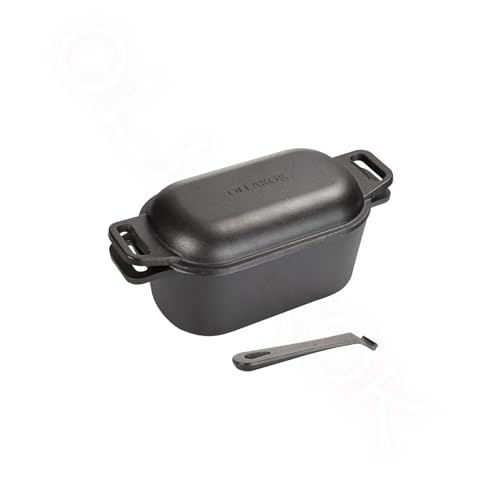
2-in-1 cast iron dutch oven, pre-seasoned with vegetable oil. Cast iron dutch oven pot with lid used as skillet, grill pan, frying pan. Includes a safely lid lever, for safer transport lid and skillet. 3.8 QT cast iron bread baking pan is perfect for 1-3 people
Key Seasonings and Flavor Combinations
The difference between a flat, one-note chili and a complex, layered Dutch oven masterpiece lies in your spice selection and technique. You’ll build depth through spice layering—combining chili powder, cumin, smoked paprika, garlic powder, and oregano creates multidimensional heat rather than monotonous spiciness.
Master flavor pairing by anchoring your dish with umami-boosting ingredients. Tomato paste concentrates glutamates, while Worcestershire sauce delivers complexity and acidity to ground beef. Beef broth establishes a savory foundation, and Dijon mustard balances richness.
Your aromatic base—finely diced yellow onions, garlic, and green bell peppers—supports these seasonings. Add cremini mushrooms for earthy meaty texture. Fire-roasted diced tomatoes provide acidity and roasted sweetness that brightens heavy beef flavors.
Layering heat through jalapeños, hot sauce, and black pepper creates sophisticated spiciness. Dry red wine dissolves browned meat bits while concentrating flavors during reduction. Additionally, using seasoning methods can elevate the flavor profile while preventing undesired elements like rust on your cookware.
Cooking Methods and Temperature Control
Once you’ve mastered spice layering and umami balance, you’ll find that proper cooking methods and temperature control transform these elements into a cohesive Dutch oven dish. Start with medium to medium-high heat on your stovetop for browning ground beef, developing a flavorful crust in 2-5 minutes per side. After draining excess fat halfway through, sauté your vegetables until softened, then deglaze with wine or broth to lift those caramelized bits. The Dutch oven’s versatility allows for easy transitions from stovetop to oven, ensuring even cooking throughout. Shift to a preheated 350-375°F oven, covered, for 90+ minutes of slow roasting that tenderizes meat and melds flavors. Maintain steady medium heat initially, then lower to medium-low during simmering to prevent toughening. This temperature management guarantees your cooking techniques yield perfectly balanced, tender results without overcooking. Remember, using the right number of charcoal briquettes can help you achieve a consistent 350°F temperature for optimal cooking results.
Nutritional Benefits and Recipe Customizations
While your Dutch oven’s slow-roasting technique transforms ground beef into tender, flavorful meals, you’ll want to understand the nutritional powerhouse you’re creating. Ground beef delivers 26.1 grams of protein per serving, plus essential B vitamins, iron, and zinc—nutrients that support muscle repair, immune function, and energy production. Added to this, when cooked correctly, the flavors develop beautifully, creating a satisfying and comforting dish.
To maximize health advantages, choose lean varieties (90/10 or 93/7) and grass-fed options when possible, as they offer superior omega-3 ratios and vitamin E content. Consider strategic ingredient substitutions to enhance nutrition: incorporate vegetables like spinach and carrots for fiber, blend in mushrooms to reduce fat while adding antioxidants, or add beans and lentils for plant-based protein. Season generously with anti-inflammatory herbs like turmeric and garlic, transforming your Dutch oven creation into a nutrient-dense meal. Additionally, using proper cooking techniques like the method of basting can elevate the flavors of your dish while maintaining nutritional integrity.