You’ll sear seasoned chicken in a preheated cast iron skillet over medium-high heat for 2–7 minutes per side until golden brown. Transfer the skillet to a 425°F oven and roast until the internal temperature reaches 165°F—typically 12–15 minutes for breasts. Baste periodically with pan juices, then rest for ten minutes before serving. This method combines stovetop browning with even oven heat, delivering crispy skin and juicy meat. Master these fundamentals, and you’ll uncover the technique’s deeper nuances.
Preparation and Seasoning
Before you season your chicken, you’ll need to prepare it properly—this foundation determines whether you’ll achieve an evenly cooked, flavorful result or dry, unevenly textured meat. Start by patting your chicken cuts dry with paper towels to enhance seasoning adherence and promote searing. Trim excess fat and connective tissue for uniform cooking. Pound boneless breasts to approximately ¾ inch thickness, ensuring consistent heat distribution throughout.
Once prepared, let your chicken reach room temperature for 15–20 minutes. This step guarantees more predictable cooking outcomes. For seasoning, establish balanced ratios using salt, pepper, garlic powder, and paprika as your base. Incorporate smoked paprika for depth and color. Consider fresh herbs like thyme or rosemary, lemon zest for brightness, or Parmesan for savory complexity. These ingredients work together to create a cohesive flavor profile that complements your cooking method. Remember to properly clean your skillet after cooking to maintain its seasoning and performance, as applying a thin layer of olive oil after cleaning is essential for conditioning the surface and restoring the seasoning.

YOUR NEW GO-TO SEASONING SPRAY: The Lodge Seasoning Spray is the perfect seasoning spray to maintain your cast iron cookware. It is made of 100% canola oil - no additives or propellants, to protect your cookware and enhance its finish.

TLC for your griddle cooktop: All you need to build a slick, easy-release surface that's protected from rust and easy to work with using Blackstone griddle seasoning and cast iron conditioner
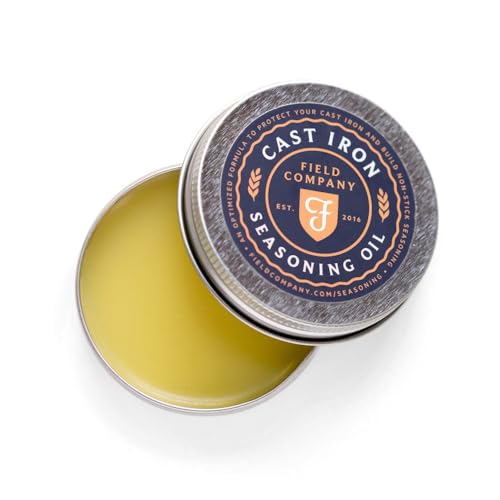
HOW TO USE: The key to naturally nonstick cast iron cookware? Cook often, and apply Seasoning Oil every time you clean your pan. Clean your cast iron with soap and a brush, then use a chain mail scrubber to smooth out existing seasoning layers. Apply a dab of Seasoning Oil and spread it thinly over the surface with a paper towel or clean rag. Wipe away excess oil to leave a dry, matte finish.
Searing in Cast Iron Skillet
Once you’ve prepared and seasoned your chicken, searing it in cast iron creates the flavorful, golden crust that distinguishes perfectly cooked poultry. Preheat your skillet over medium-high heat for 5–8 minutes until water droplets sizzle immediately upon contact. Apply a thin layer of high-smoke-point oil like canola or avocado oil just before adding chicken.
Your searing techniques depend on proper spacing—arrange breasts with room between each piece to prevent steaming. Leave chicken undisturbed for 2–7 minutes per side, flipping only once when it releases easily and appears white halfway up the side. A cast iron skillet’s unique heat retention contributes to the superior sear that enhances flavor and texture.
Temperature control is essential. After the initial sear, reduce heat to medium and consider adding butter or ice cubes to prevent over-browning while retaining moisture. Pat chicken dry beforehand for ideal browning results. Using cast iron is generally safe for glass cooktops, but make sure the skillet has a smooth bottom to prevent scratching.
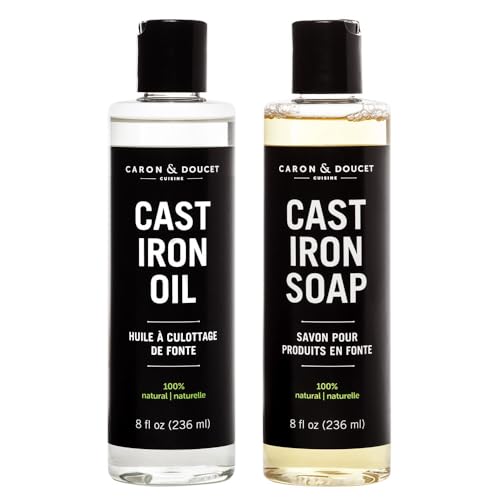
CLEANS CAST IRON | Includes our Cast Iron Soap unlike detergent based soaps, this soap is formulated with 100% natural plant-based oils & free of sulfates, phosphates, parabens & petrochemicals! Gentil on cast iron seasoning & on your hands!

[Complete 7-Piece Set for Versatile Cooking] - This enameled cast iron cookware set includes a 4.8-quart large Dutch oven with lid, 2.8-quart small Dutch oven with lid, 2-quart sauce pan, and a 10.25-inch skillet. Perfect for a range of cooking techniques, from sautéing and grilling to slow cooking, roasting, and baking—an ideal gift choice for home chefs!

Compact Wok Design: The Lodge Cast Iron Mini Wok combines durable cast iron with a compact design for stir fry favorites, sides, and everyday cooking versatility
Oven Roasting Techniques
After you’ve achieved that golden crust through searing, oven roasting delivers consistent, even cooking that brings your chicken to its final, perfectly cooked state. Transfer your skillet to a preheated 425°F oven positioned on the middle rack. Cover it initially to trap heat and moisture, ensuring even cooking throughout. Reveal during the final phase to brown the skin further.
Basting periodically with pan juices enhances flavor and maintains moisture. Using rich gravy made from drippings, similar to crafting a pot roast, can elevate the dish’s overall taste. Use an instant-read thermometer to confirm 165°F in the thickest meat section. This technique combines cast iron’s superior heat distribution with oven roasting’s reliability, creating perfectly cooked chicken every time. Rest the bird for ten minutes before serving—this redistribution of juices guarantees tender, succulent meat. Juicy chicken breast can also be successfully achieved by incorporating vegetables and a flavorful sauce during the cooking process.

All of the Flavor, None of the Sticky Mess: Seeking truly nonstick cast iron cookware? Try this braiser pan. The cast iron heats & cooks evenly while the smooth enamel coating resists sticking.

Pre-seasoned 2-in-1 cast iron dutch oven: The 2-In-1 cast iron dutch oven pot with skillet lid has been burned with vegetable oil,(no synthetic coatings or chemicals). The shallow skillet that can be used as a lid

Homemade Favorites: The Lodge Seasoned Cast Iron Baker’s Skillet is designed for rolls, cobblers, breads, and everyday recipes fresh from the oven
Temperature and Timing Guidelines
Getting the temperature right is essential—it’s the difference between undercooked chicken and perfectly done meat. Your cooking methods and temperature variations determine texture and safety. For whole chicken, use 400°F for approximately 1.5 hours. Chicken breasts require 425°F for crispier skin, needing only 12–15 minutes after searing. Thighs benefit from 15 minutes of searing, then oven time until they reach proper doneness. Always target 165°F internal temperature, measured in the thickest part without touching bone. Pull breasts at 160–162°F to account for carryover cooking‘s 5–10°F rise, as carryover cooking ensures the chicken remains juicy and safe to eat. Rest your chicken for 5–10 minutes after cooking; this redistribution of juices and temperature elevation proves essential for ideal results. Additionally, ensure you check for visual cues such as firm texture and clear juices to confirm doneness without a thermometer.

YOUR NEW GO-TO PAN: Lodge cast iron cookware is the perfect kitchen tool for beginners, home cooks and chefs. Cast iron can handle any kitchen cooktop, oven, grill, and open flame. Crafted in America with iron and oil, its naturally seasoned cooking surface creates an easy-release and improves with use.

Steakhouse Sear At Home: The Lodge Square Cast Iron Grill Pan delivers high-heat searing and bold grill marks while channeling excess grease away

The Ultimate 2-in-1 Cooker: This cast iron set is a kitchen powerhouse. Use the 3.2 quart deep pot for slow-simmered stews or deep frying, then flip the lid to use a standalone 10.25 inch skillet. Use them together or apart for every meal
Equipment and Safety Considerations
Since you’re cooking chicken at high temperatures, your equipment choices directly impact both the quality of your results and your safety in the kitchen. Your cast selection matters—choose a well-seasoned skillet with oven-safe properties up to 650°F, ensuring even heat distribution and stove-to-oven versatility. Cast iron skillets are generally oven safe, often able to withstand temperatures up to 500°F or higher, making them a reliable choice for various cooking methods. Enameled cast iron options can also withstand high temperatures, though they may come with different maintenance requirements.
Safe handling practices are non-negotiable. Always wear oven mitts when transferring your skillet between stovetop and oven, as handles reach extreme temperatures. Preheat gradually on medium-low heat to prevent warping or cracking. Avoid sudden temperature shocks like running hot cookware under cold water.
Position your skillet on the center oven rack for ideal heat distribution. Place foil on the bottom rack to catch drippings. Use only non-abrasive utensils to protect your seasoning layer, preserving your skillet’s performance for years.

Exceptional Heat Retention: Enjoy perfectly cooked meals with cast iron skillets that provide even heat distribution, ideal for searing, frying, and baking in a 12 inch frying pan.

Secure Dual Assist Handle: The Lodge Seasoned Cast Iron Dual Handle Pan features dual assist handles for a secure grip when moving this cast iron skillet

Quality Cast Iron Frying Pan: The Lodge Seasoned Cast Iron Skillet is loved for its great heat retention, incredible durability, and ability to make almost any recipe you dream up
Additional Cooking Tips and Variations
Now that you’ve mastered the fundamentals of equipment and safe handling, you can elevate your chicken cooking through strategic flavor choices and technique adjustments tailored to specific cuts.
Experiment with diverse flavor combinations to customize your dish. Italian seasoning, smoked paprika, and garlic powder create classic profiles, while taco seasoning or cumin-cayenne blends deliver bold alternatives. Parmesan cheese adds savory depth to your spice mix.
Consider marinade ideas that enhance tenderness and taste. Boneless breasts benefit from pounding for even thickness, while bone-in thighs develop superior flavor when seared skin-side down first. Fresh herbs and lemon wedges complement finishing touches. Incorporating simple one-pot meals into your cooking repertoire can also inspire creative variations.
Match oven temperatures to your cut: 350–425°F works well for most chicken. Thicker pieces require longer finishing times, so monitor internal temperature at 165°F. Rest your chicken five to ten minutes before serving to lock in moisture and maximize tenderness.
Achieving Juicy, Tender Results Every Time
The difference between dry, disappointing chicken and perfectly succulent meat hinges on three critical factors: proper preparation, strategic searing, and precise temperature management. You’ll retain moisture by resting your chicken for at least 5–10 minutes post-cooking, allowing juices to redistribute throughout the meat. Before cooking, consider brining techniques or marinade options to enhance tenderness and flavor penetration. Additionally, thorough seasoning with spices before cooking can greatly enhance the flavor profile. During roasting, cover your cast iron Dutch oven with a lid or foil to trap steam, then baste halfway through with pan juices. Stuff the cavity with onion quarters or fresh herbs for additional moisture. Most importantly, you must verify internal temperature reaches exactly 165°F using an instant-read thermometer, ensuring food safety without overcooking. Additionally, you can simmer meat and vegetables together to create a flavorful broth, similar to methods used in stews.