

You’ll preserve your Le Creuset cast iron by hand-washing with warm, soapy water and soft sponges—never using thermal shock or abrasive materials. Preheat on low-to-medium heat, avoiding high temperatures that damage the enamel. Use wooden utensils and oils with high smoke points. Store pieces in cool, dry spaces with felt protectors between stacked cookware. Dry thoroughly after cleaning to prevent rust. Allow proper cooling before washing, and inspect regularly for chips or cracks. Mastering these fundamentals will extend your cookware’s lifespan considerably while maintaining its aesthetic appeal.
Washing and Cleaning Methods
Proper maintenance starts with understanding how thermal shock and abrasive materials can compromise your Le Creuset cookware’s enamel finish. You’ll want to cool your cookware for several minutes before washing to prevent enamel cracking. Hand wash with warm soapy water using soft nylon sponges or non-abrasive brushes—avoid plunging hot cookware into cold water. Never use metallic pads or harsh abrasives that scratch the surface. Thoroughly dry items with a cloth before storing to prevent water spots. For stain removal, soak cookware in warm soapy water for 15-20 minutes to soften stuck food. You can use the textured side of regular sponges or soft abrasive pads for stubborn residues. Using wooden utensils can help protect your cookware’s non-scratch surface. Proper seasoning is also important for maintaining your cookware’s longevity. Your chosen cleaning tools directly impact your cookware’s longevity and appearance.

SIX SCRUBBING SPONGE: This pack of Scotch-Brite Zero Scratch Scrub Sponges includes 6 sponges

CLEAN SMARTER - NOT HARDER: We all know the pain of scrubbing away dirty or burnt food on pots with a soft cloths, and the hassle of a dish cloth and scrubber taking up space on the sink. Why not get the best of both worlds with our brand designed scourer/microfiber cloth combo sponge.
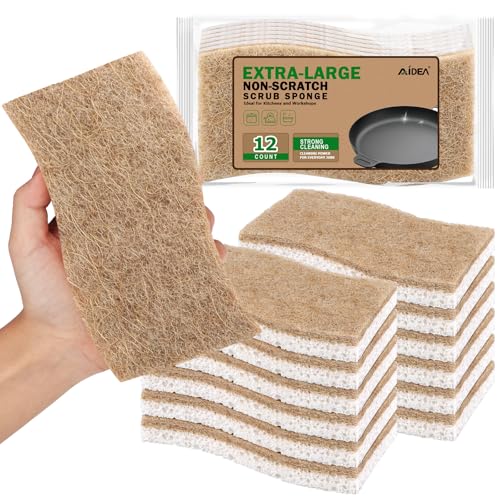
Meet the GIANT of Clean: AIDEA Extra Large Sponges smash messes with unstoppable power; their scour pads destroy stuck-on food while guarding surfaces; high-density design bounces back, never losing shape; bigger, stronger, smarter—your ultimate cleaning hero!
Proper Storage and Maintenance
Once you’ve cleaned and dried your Le Creuset cookware thoroughly, you’ll want to focus on where and how you store it. Store your cookware in cool, dry cupboards or drawers away from moisture and temperature fluctuations—never leave pieces exposed on stovetops where steam causes damage. The Dutch oven’s excellent heat retention helps ensure that it remains in top condition with proper care.
Implement these storage techniques for damage prevention: lift cookware from cabinets rather than sliding it, place felt protectors or microfiber cloths beneath pieces, and arrange them in single rows when possible. Stack pots only with protective layers between them. Store lids upright on pot knobs or separately using drawer organizers to prevent scratching.
These practices preserve your cookware’s enamel coating integrity and non-stick properties, ensuring peak cooking performance and protecting your investment’s functional and aesthetic qualities. Additionally, proper Dutch oven care involves regular hand-washing and appropriate drying techniques to avoid rust and maintain quality over time.
Heat Management and Preheating
Because Le Creuset cast iron retains heat exceptionally well rather than conducting it rapidly, you’ll need to approach heating gradually to achieve ideal cooking results. Preheat your pan on low to moderate heat for approximately five minutes, ensuring even temperature distribution across the cooking surface. Properly preheating the skillet is essential for achieving even heat distribution, which helps prevent food from sticking. Additionally, be mindful that using proper techniques like these can enhance your cooking outcomes, similar to how blanching prepares asparagus for vacuum sealing.
You’ll find that low to medium heat suffices for most cooking applications, while medium to medium-high heat handles searing effectively. Higher settings aren’t necessary and risk burning food or damaging the enamel coating.
Adjust your cooking temperatures based on your stovetop type, as induction and gas require different settings. This measured approach to heat management preserves your cookware’s integrity while delivering consistent, uniform cooking performance every time you cook.

Enameled cast iron delivers superior heat distribution and retention; Ready to use, requires no seasoning

Enameled cast iron delivers superior heat distribution and retention

Enameled cast iron delivers superior heat distribution and retention; Ready to use, requires no seasoning
Cooking Techniques and Oil Use
With your heat management strategy established, you’ll now focus on selecting and applying oils that complement Le Creuset’s superior heat retention. Choose oils with high smoke points—avocado, grapeseed, or refined olive oil—to prevent enamel damage and burning. Your oil selection directly impacts cooking performance and longevity.
For frying techniques, fill your Dutch oven one-third to two-thirds full with oil heated to 350-375°F. Add oil to a preheated pan just before placing food to minimize sticking during searing. Use minimal amounts for sautéing; cast iron’s heat retention efficiency means you’ll need less oil than traditional cookware. Using food-grade oils is crucial for maintaining the integrity of your cookware.
Apply oil sparingly during slow cooking and braising—the enamel naturally reduces sticking. Additionally, be cautious when using heavy cookware, as the weight can cause scratches on different stovetops. After cooking, drain excess oil promptly to prevent residue buildup that compromises future cooking and cleaning.

Graza Frizzle Oil Made from 100% Olives: A neutral-flavored, high heat cooking oil made from 100% peak harvest olives. With a smoke point of up to 450 degrees, Frizzle is your high-heat kitchen hero. 1 bottle/750ml.

Light Buttery Flavor That Elevates Every Meal: Algae Cooking Club Chef-Grade Algae Oil enhances every dish with subtle richness. Its neutral profile makes it ideal for searing, baking, and dressings, transforming everyday meals into gourmet experiences.

Light Buttery Flavor That Elevates Every Meal: Algae Cooking Club Chef-Grade Algae Oil enhances every dish with subtle richness. Its neutral profile makes it ideal for searing, baking, and dressings, transforming everyday meals into gourmet experiences.
Preventing Thermal Shock and Damage
Thermal shock—the damage caused by rapid temperature fluctuations—represents one of the most significant threats to your Le Creuset’s longevity, and it’s entirely preventable through mindful heating and cooling practices. Never plunge a hot pan into cold water, as this causes irreversible enamel cracking. Instead, fill hot cookware with warm water if soaking’s necessary. Additionally, using pre-seasoned cast iron can help improve your cooking experience by providing a non-stick surface over time. Allow your pan to cool completely before cleaning or storage.
Beyond thermal shock, physical damage from drops or metal utensils compromises your cookware’s integrity. Use wooden, silicone, or heat-resistant plastic tools exclusively. Store pans carefully to prevent impact with other cookware. Regularly inspect for chips, cracks, or loose components. By avoiding sudden temperature changes and treating your Le Creuset with deliberate care, you’ll protect your investment and guarantee decades of reliable performance. Additionally, understanding the device’s temperature reading accuracy is crucial in ensuring you avoid practices that could lead to thermal shock.
Treating Minor Damage and Marks
Even with meticulous handling, your Le Creuset will inevitably develop surface marks and minor cosmetic damage over time. You’ll likely encounter metallic residue—streaks caused by metal utensils contacting the enamel. These marks represent minimal actual damage since enamel is considerably harder than stainless steel. One-pot meals like creamy seafood pie can be easily prepared in a small Dutch oven, showcasing the versatility of this cookware.
To remove metallic residue and cosmetic scratches, use gentle cleaning compounds with soft natural or nylon sponges. Warm water and mild dish soap effectively eliminate most marks without further deterioration. Avoid abrasive cleaners and metal sponges, which worsen surface conditions.
Cosmetic scratches don’t affect cooking performance or food safety. However, deep chips exposing cast iron require professional assessment. Deep damage compromises even heating and permits food contact with underlying metal, potentially affecting both functionality and safety. Regular maintenance practices, including proper cleaning, can help extend the life of your Le Creuset cookware.
Caring for Interior Surfaces
Your Le Creuset’s interior requires thoughtful maintenance to preserve both its cooking performance and aesthetic appeal. For routine interior cleaning, use warm water and mild dish soap with soft natural or nylon sponges. Avoid metal sponges and abrasive cleaners that damage enamel preservation efforts.
Hand washing is preferred over dishwashing to maintain enamel shine. For tough stains, apply Bar Keeper’s Friend or a baking soda paste. Le Creuset’s specialized cleaner effectively removes persistent marks and metal discoloration.
Never subject hot cookware to cold water, as thermal shock causes cracking. Don’t use metal utensils or slide pans across surfaces—both risk chipping. Dry thoroughly after washing to prevent moisture issues.
Your pan will develop a natural patina from cooking oils, enhancing food release. Resist scrubbing off this beneficial layer during routine cleaning. Incorporating your Dutch oven into the cooking process can also help maintain its integrity and enhance flavors over time.
Post-Cooking Cleanup and Care
Proper post-cooking cleanup begins the moment you remove your Le Creuset from heat. Allow your cookware to cool to room temperature before washing—never expose hot pans to cold water, as thermal shock cracks the enamel coating.
Once cooled, use soft natural or nylon sponges with warm, soapy water to clean both interior and exterior surfaces. Avoid metal sponges and abrasive cleaners entirely, as they damage the enamel finish.
For stubborn residue prevention, soak stuck-on food in warm soapy water for 15-20 minutes. Alternatively, simmer a baking soda mixture for 8-10 minutes to loosen particles. These gentle cleaning tools and methods preserve your cookware’s integrity while effectively removing buildup, ensuring your Le Creuset performs at its best for years.


