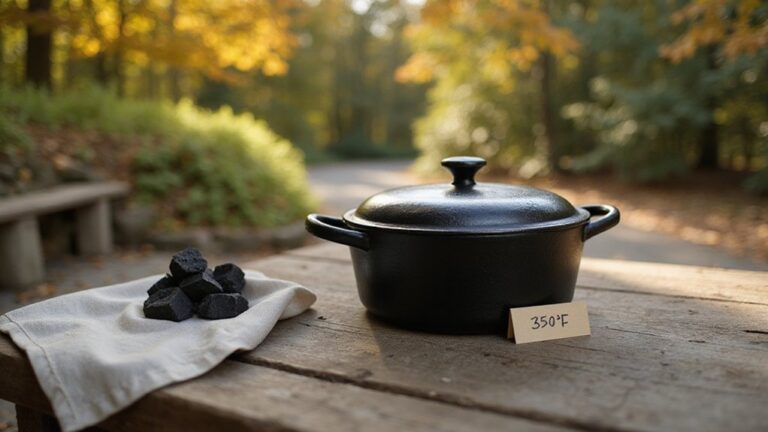
Looking for an easy way to make breakfast in your Dutch oven that’s both hearty and fuss-free? This recipe combines sausage, hash browns, eggs, cheese, and biscuits all in one dish, perfect for camping or weekend mornings. It’s simple to prepare and relies on just a few tips to get that perfect golden crust.
Stay with me to learn the easy steps to perfecting this hearty casserole.
Why This Dutch Oven Breakfast Casserole Is a Camping Game-Changer
This Dutch oven breakfast casserole is a game-changer for camping because it simplifies your prep and cleanup. It combines all ingredients into a single cast iron pot, eliminating the need for multiple pans and reducing the mess. The process takes just about 30 minutes of active preparation, leaving you free to relax for the rest of the hour as it cooks. Using indirect heat with coals instead of an open flame enhances safety around the campfire and helps avoid ash contamination. To ensure even cooking, you need to rotate the Dutch oven every 10 minutes, a more frequent rotation than often recommended. The heavy-duty cast iron maintains steady temperatures even in windy or cold conditions, preventing burn spots. Once layered, the casserole cooks for about 45 minutes while you enjoy your time outdoors, making the whole breakfast both efficient and fuss-free. After cooking is complete, avoid prolonged soaking which can rust unfinished rims on the exposed cast iron edges. For added richness, the dish can incorporate cream of chicken soup for extra moisture and flavor. For instance, the layered biscuit base creates a golden crust that holds all the fillings together. To preserve the pan’s surface, apply a light coat of oil before storage to prevent rust.
The Best Ingredients for a Dutch Oven Breakfast Casserole
The best ingredients for a Dutch oven breakfast casserole include a variety of components that build flavor and texture. For your protein, choose from spicy sausage, diced ham, or crispy bacon—each adds a different savory note. Incorporate a starch such as crispy tater tots or frozen shredded potatoes to create a satisfying base. This method is similar to making cornbread in a standard pan, where thorough greasing prevents sticking and ensures even cooking. Combine eggs with half and half or milk to make a rich binder that holds the casserole together. Shredded cheese melts into the layers, contributing a savory, gooey texture. To diversify flavors, add diced bell peppers and onions with the sausage or include jalapeños for some heat. Fresh herbs like rosemary can elevate the dish, turning simple seasonings into a standout breakfast. Using a Dutch oven ensures superior heat retention for even cooking throughout the casserole. After cooking, you can clean your Dutch oven using kosher salt as a gentle abrasive to remove stuck-on food and maintain the seasoning.

OVEN SAFE DESIGN: Withstand temperatures up to 500 degrees Fahrenheit, making this enamel cast iron dutch oven suitable for various cooking methods

Even Heat Distribution Retention: This Umite Chef Dutch oven Made with heavy-duty enameled cast iron, ensures even heat distribution for perfect searing and slow cooking, locking in flavors. thickened walls lock in heat for slow braising, searing, and baking. Unlike thin pots that scorch food, this professional-grade Enameled cast iron potSuperior heat retention after preheating (allow 5-7 mins for even distribution). CRITICAL: Always cool naturally for 45+ mins before cleaning. Thermal shock (hot-to-cold contact) cracks enamel. USE TIP: Preheat 2-3 mins on medium-low only

Build and Cook the Casserole in Your Dutch Oven
To build and cook the casserole in your Dutch oven, start by layering your cooked sausage and browned hash browns at the bottom to create a sturdy foundation. Then, crack or spread beaten eggs evenly over this layer. Immediately sprinkle shredded cheese on top—this helps prevent the eggs from sticking and adds flavor. Next, arrange biscuit pieces over the eggs, covering the entire surface to achieve a consistent golden crust. To add brightness and freshness, top with fresh chopped tomato and green onion just before serving after the casserole has rested. If you are using a cast iron Dutch oven that has lost its seasoning, a vinegar spray solution can effectively remove rust and restore the surface before cooking. Before checking the temperature of the Dutch oven surface, adjusting the emissivity setting on your thermometer is important for accurate readings on cast iron, and be aware that rapid temperature changes can cause cracking in cast iron even at moderate heat.
Cover the Dutch oven securely, ensuring safety by placing it over glowing coals away from open flames. Rotate the oven occasionally to promote even heating. You can substitute ingredients, such as swapping sausage for bacon or using different cheeses, to suit your preferences. Bake the casserole for about 45 minutes at 375°F, checking for doneness when the biscuits are browned and the eggs are set without jiggle. Once the cheese bubbles, remove the Dutch oven from heat immediately. Let the casserole rest for 5 to 10 minutes with the lid off before slicing, allowing it to firm up and making serving easier.

Even Heat Distribution Retention: This Umite Chef Dutch oven Made with heavy-duty enameled cast iron, ensures even heat distribution for perfect searing and slow cooking, locking in flavors. thickened walls lock in heat for slow braising, searing, and baking. Unlike thin pots that scorch food, this professional-grade Enameled cast iron potSuperior heat retention after preheating (allow 5-7 mins for even distribution). CRITICAL: Always cool naturally for 45+ mins before cleaning. Thermal shock (hot-to-cold contact) cracks enamel. USE TIP: Preheat 2-3 mins on medium-low only
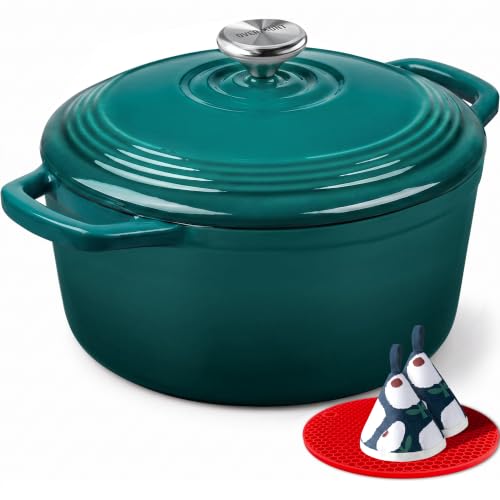
IDEAL FOR FAMILY MEALS - Perfectly sized for families of 3–5 people, this 5.5QT Dutch oven handles everything from hearty soups and stews to one-pot dinners, pasta dishes, and Sunday pot roasts. Spacious enough for a whole chicken yet practical for everyday cooking, it delivers the ideal balance between daily family meals and weekend entertaining. Also well-sized for artisan bread bakers who want one pot for both family dinners and sourdough baking.

FEAST & BATCH COOKING - Designed for large families, holiday gatherings, and weekend meal prep, this 7QT Dutch oven comfortably serves 5–8 people. Its generous capacity easily handles family-size soups, large-batch stews, pot roasts, and whole chickens without overcrowding ingredients. Perfect for Thanksgiving recipes, holiday entertaining, and batch cooking with fewer rounds in the kitchen.
Set Up Coals for Even 375°F Baking
To set up coals for even 375°F baking, use a 2:1 ratio of coals—two-thirds placed on the lid and one-third underneath. For a 12-inch oven, this means placing 17 coals on the lid and 11 underneath. This arrangement directs most heat from above, which is ideal for achieving a golden crust on baked goods like biscuits. Arrange the coals in a circular ring around the perimeter of the oven, avoiding placement directly under the center. Space the coals in a checkerboard pattern to prevent hot spots and promote even heat distribution. Since briquettes burn more predictably due to their dense composition, this consistency supports the stable temperature required for baking. Unlike infrared thermometers, which are less reliable for measuring internal liquid temperatures, digital probe thermometers provide the most accurate results for ensuring the syrups and casseroles reach the desired stages. To ensure safety, the casserole should reach an internal temperature of 165°F before serving. For cleaning your Dutch oven after use, a baking soda solution can gently remove stubborn residue without damaging the surface.
Rotate the oven a quarter turn every 15 minutes to ensure consistent heat exposure. When rotating, turn the lid in the opposite direction to maintain even heat circulation. After 30 to 45 minutes, replenish the coals as they ash over and lose their effectiveness. This method helps maintain a steady 375°F and results in evenly baked casseroles and baked goods.

Product Type: digital indicator

TEMPERATURE SELECTION: User selectable Fahrenheit and Celsius measurements for convenience and versatility

Instant Read Food Thermometer | Our instant read thermometer features a temperature probe and advanced, highly accurate technology with 1-2 seconds response time; Instructions, meat temperature chart, comes pre-calibrated for your convenience, and recalibrating feature if needed.
How to Tell When Your Dutch Oven Breakfast Casserole Is Done
Your Dutch oven breakfast casserole is done when you see a golden-brown top with bubbly cheese. The center should be set and firm, not liquid or jiggly. To test doneness, insert a knife or toothpick into the middle; it should come out mostly clean with no raw batter. Use a food thermometer to check the internal temperature—aim for at least 165°F for safety, or 160°F for egg-based dishes. Be careful not to let the probe touch the pan’s sides or bottom, as this can give an inaccurate reading. After the initial 45 to 50 minutes of baking, check it every 15 minutes until the proper temperature and texture are achieved, remembering that using hot coals to bake at 350°F for approximately 1 hour is the recommended method for outdoor cooking. Once done, let it rest for about 10 minutes before serving to allow everything to set properly.