Pressing tofu with cast iron is a simple way to remove excess moisture and achieve a firmer texture.
By using common kitchen items and a few minutes of patience, you can prep tofu for frying or stir-fries with ease.
Whether you want crispy results or just a better grip on the tofu, this method works well.
Keep reading to learn the step-by-step process.
Why Pressing Tofu With Cast Iron Works Better
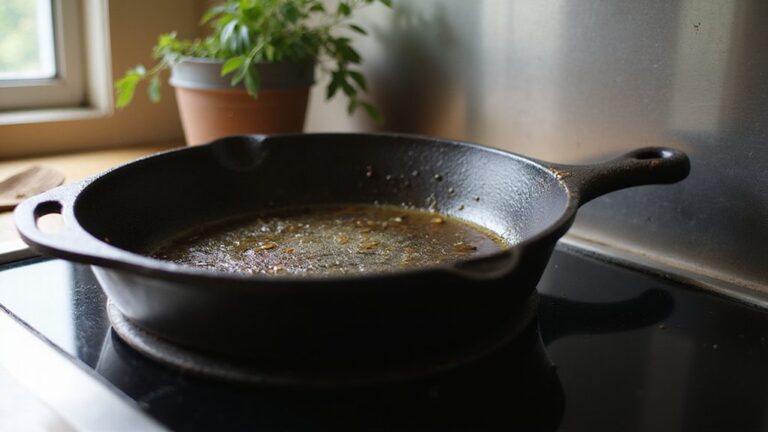
Pressing tofu with cast iron works better because it provides even weight distribution and stability, ensuring consistent pressure across the entire block. The dense material prevents shifting during the 20–30 minute press, which helps control moisture effectively. A cast iron skillet weighing between 6 and 10 pounds is ideal for removing excess water without crushing the tofu’s delicate structure, resulting in a denser texture suitable for frying or grilling. Proper seasoning with high smoke point oils ensures the skillet remains easy to clean and maintains its surface over time. If rust develops on the skillet, using a vinegar spray solution can effectively remove it without damaging the surface.
The skillet’s mass allows for rapid initial water expulsion, reducing the chances of sogginess. Pressing tofu while it’s slightly warm from blanching enhances firmness since cast iron retains heat well, supporting a better texture. You can also add incremental weights to fine-tune pressure without over-squishing, giving you more control. Its broad surface covers most tofu blocks completely, eliminating the need for extra padding or boards. Because the setup remains stable even with overnight pressing, you consistently achieve crispy, firm, and evenly pressed tofu every time.
What You Need to Press Tofu With Cast Iron
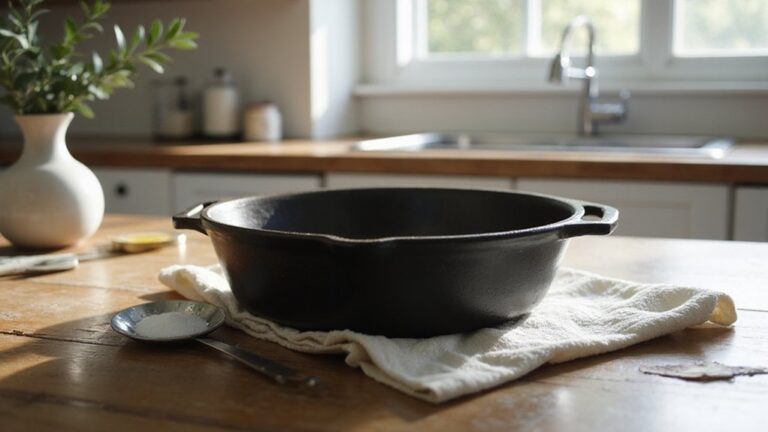
To press tofu effectively, you’ll need a cast iron skillet measuring 10 to 12 inches in diameter, weighing 4 to 6 pounds. This size provides enough surface area and weight to apply even pressure without crushing the tofu. Place a flat cutting board or sheet pan beneath the skillet to serve as a stable, level base. To catch the expelled liquid, use a rimmed plate or baking sheet positioned under the setup. Wrap the tofu block in lint-free kitchen towels or paper towels, which absorb moisture efficiently. For added weight, place heavy canned goods or a mixing bowl on top of the skillet. Ensure your setup sits on a flat, sturdy surface to prevent slipping, and always balance the skillet centrally to apply even pressure. This same skillet can later be used for baking pizza at high temperatures, such as 475°F. Regular maintenance, such as cleaning the gasket and drip tray, is essential for optimal performance of similar kitchen tools. After pressing, dry your cast iron immediately to avoid rust and store it properly for future use, as regular use and proper maintenance help preserve the skillet’s seasoning and prevent rust.
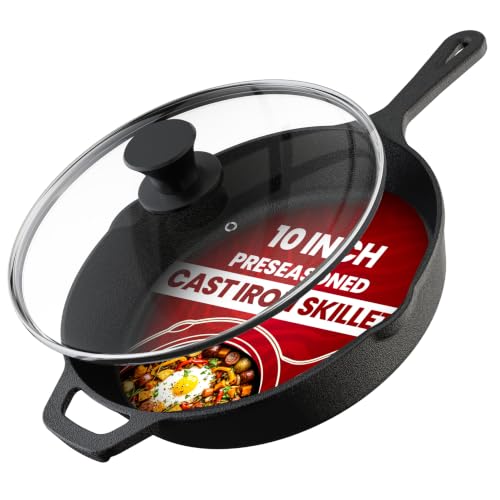
Cast Iron Pan – The Cast Iron Grill Pan comes with pre-seasoned quality, making it ready for use straight out of the box and preventing any rusting issue. Our cast iron pan set comes with unique handles for easy maneuvering and pouring.

Quality Cast Iron Frying Pan: The Lodge Seasoned Cast Iron Skillet is loved for its great heat retention, incredible durability, and ability to make almost any recipe you dream up

CAST IRON SKILLET is 10.25 inches in diameter and includes red silicone hot handle holder. An improvement on the original: the Lodge Cast Iron Skillet, featuring an assist handle. This will be your go-to pan for generations to come
How to Prepare Tofu for Maximum Liquid Removal
Freezing is one of the most effective ways to prepare tofu for maximum liquid removal. Freeze the block solid for at least two nights, then thaw it completely. This process alters the protein structure, making it easier to squeeze out excess water. Once thawed, slice the tofu into ½-inch thick pieces and gently squeeze them by hand to release trapped moisture. Freezing creates cavities within the tofu that yield a spongy, meat-like texture, further aiding in moisture release. This technique is similar to how seasoning a cast iron skillet uses high heat to cure oil into a durable, non-stick layer. For best results, ensure your pan has a tight-fitting lid and oven-safe handles to trap steam during cooking. Achieving a crispy exterior on the tofu can be enhanced by searing it in a preheated cast iron pan over medium heat until golden brown, similar to the method used for chicken.
Boiling is another efficient method. Submerge the tofu in 1-2% salty water for about two minutes. The heat helps contract the protein matrix, which pushes out moisture. Alternatively, sprinkle salt directly on the tofu and let it sit for 10-15 minutes to draw liquid to the surface, then rinse thoroughly. For quick results, microwave the tofu in 30-second bursts for a total of about two minutes. Whichever method you select, these techniques prepare the tofu for easier pressing and better absorption of flavors.
How to Set Up Your Pressing Station With Cast Iron
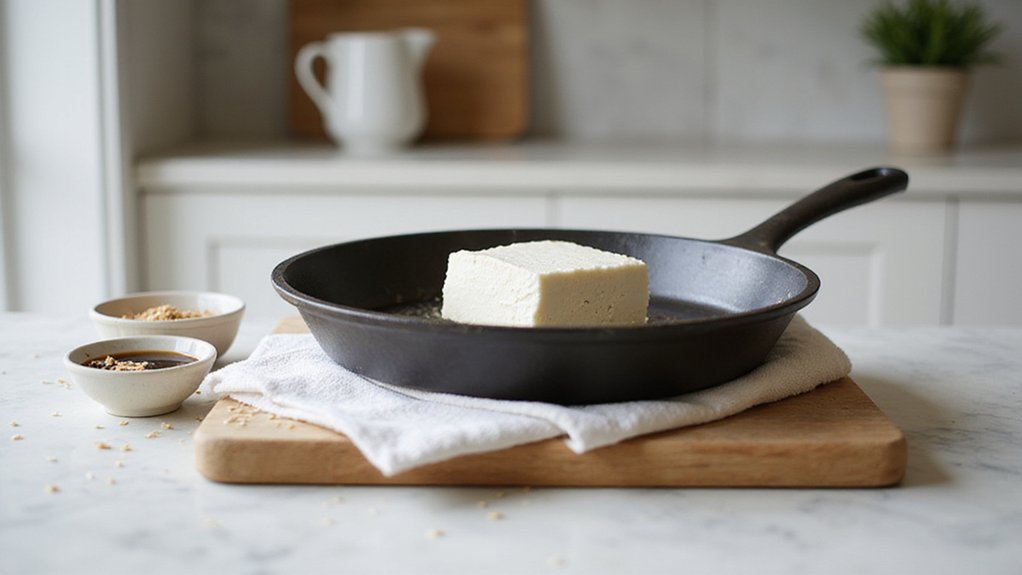
To set up your pressing station with cast iron, start by placing a flat, lint-free kitchen towel on a stable cutting board. Put a second cutting board underneath to catch draining liquid. Make sure the surface is perfectly level to prevent slipping and uneven pressing. Wrap your prepared tofu snugly in two layers of paper towels, then add another layer on top. Center a cutting board over the wrapped tofu, and place your cast iron skillet directly on top of it for weight. For balanced pressure, add canned goods inside the skillet. Position the station sideways over a wide bowl to allow liquid to drain freely. Every five minutes, replace the saturated towels to maintain effective pressing. Avoid lifting the weight during pressing, as this breaks capillary adhesion and reduces efficiency. For longer pressing times, keep the setup in a cool area or refrigerator to inhibit the growth of pathogenic bacteria such as Clostridium botulinum. Use bright lighting to easily spot any leaks or excess moisture. Always ensure the skillet is seasoned with a light coating of oil to prevent rust during the pressing process. This method of applying weight mimics the gentle, even pressure used in a Dutch oven for one-pot meals to ensure consistent results.

【HEAVY-DUTY CAST IRON GRILL PRESS】 :Our barbeque grill press is made of heavy duty food grade cast iron. Use the grill weight to press out unwanted grease and fat, safe to use in the oven, on the stove, on the grill, griddle, or campfire. The press can also be seasoned like cast-iron skillets to create a non-stick surface.
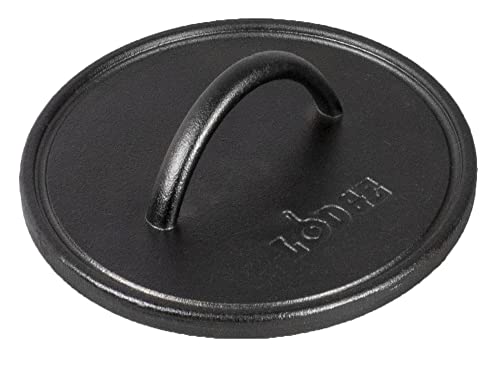
YOUR NEW GO-TO PRESS: The Lodge Cast Iron Grill Press is the perfect kitchen tool for beginners, home cooks and chefs. The sturdy piece is perfect for smash burgers or for grilling steaks or chicken. Put American cast iron to work in your home and keep authentically good food in the family.

FOOD-GRADE CAST IRON BURGER PRESS: Our bacon press is crafted from 100% food-grade cast iron, without any harmful PTFE or PFOA chemicals. The flat grill press that weighs 2.1 lbs is both sturdy and long-lasting. With our grill accessories, you can grill or cook like a seasoned pro chef
How Much Weight to Use Without Crushing the Tofu
Use 1.5 to 3 pounds of weight for pressing standard firmness tofu. This amount provides enough pressure to remove excess water without crushing the block. A 2-pound hand weight or a 28-ounce can works well for most tasks. Avoid exceeding 3 pounds, as too much pressure can turn your tofu into mush. Make sure to spread the weight evenly across the surface to prevent localized damage. Placing a flat board or plate between the weight and the tofu helps distribute pressure uniformly and keeps the surface stable. For extra-firm tofu, you can safely add up to 3 pounds of weight, but reduce to about 1.5 pounds for softer types. Pressing for 20 to 30 minutes with this weight range prevents over-compression and maintains the tofu’s texture. Keep an eye on the tofu during pressing—if it starts cracking, you’ve applied too much pressure. Adjust the weight and duration accordingly to achieve the desired thickness without damaging the block. Similarly, a cast iron skillet can provide consistent, evenly distributed weight for pressing tofu.

【HEAVY-DUTY CAST IRON GRILL PRESS】 :Our barbeque grill press is made of heavy duty food grade cast iron. Use the grill weight to press out unwanted grease and fat, safe to use in the oven, on the stove, on the grill, griddle, or campfire. The press can also be seasoned like cast-iron skillets to create a non-stick surface.
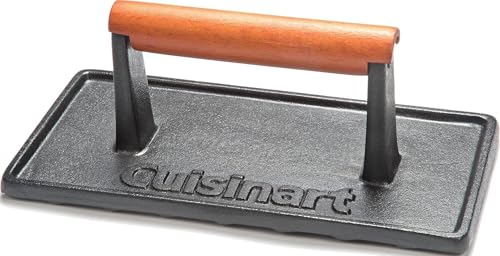
DURABLE: Heavy-duty 2.4-pound cast iron for even heat distribution and durability.

Heavy Duty Press Design: The Lodge Seasoned Cast Iron Burger Press features heavyweight cast iron construction designed to help create evenly pressed burgers and sandwiches
How Long to Press Tofu for Different Results
The optimal pressing time depends on your desired result. For quick meals, 10 to 15 minutes may be enough if pressing is optional, mainly to reduce surface moisture slightly. A standard press of 20 to 30 minutes is suitable for most recipes, helping to remove excess liquid without over-drying the tofu. If you want a deeper flavor and better marinade absorption, pressing for 1 to 2 hours in the fridge is ideal; this longer duration extracts more surface moisture, allowing the tofu to soak up flavors more effectively. For crispy textures, a dedicated press for 30 to 60 minutes works well, while pressing up to 4 hours can deliver exceptionally crispy stir-fries. Pressing overnight often yields the best baked crispiness. The texture varies with pressing duration: extra-firm tofu benefits from at least 30 minutes, whereas firm tofu can range from 10 to 60 minutes. Be cautious not to press longer than 30 minutes in the refrigerator to avoid spoilage. For a similar approach to achieving a crispy crust, you can preheat your cast iron skillet with butter before adding the pressed tofu, as heating the pan first helps create a better sear. For precise timing, a reliable candy thermometer is unnecessary here, as tofu pressing relies on weight and time rather than temperature readings. Similarly, alternative methods for sealing bags, such as the water displacement method, can be applied to pressing tofu by using a weighted bowl to submerge the tofu block and push out air pockets.

TRANSFORM WATERY TOFU INTO CRISPY, FLAVORFUL MEALS: Tofuture removes excess water from tofu blocks in 15–20 minutes, helping create firmer texture, crispier results, and better marinade absorption. Excess moisture prevents tofu from crisping properly and absorbing flavor. Press, cook, and taste the difference.

3 Pressure Levels: 3 pressure levels on the top of tofu press make it extremely easy to choose your desired tofu firmness, and allow you to press either firm tofu or gently drain silken tofu.

Fast, Evenly, No Crack: Simply twist the central dial, this self contained tofu presser with Strong and Intelligent stainless steel spring can easily squeeze out water in 10-30mins for better flavor and texture; It will give you an excellent EVEN press, and perfect crack-free tofu.
How to Extract Even More Liquid From Tofu
To extract the maximum amount of liquid from tofu, start by wrapping the block in a lint-free towel or several layers of paper towels. Place a 5-pound cast iron skillet on top as immediate weight. Gradually increase the weight with items like a Dutch oven until no more liquid drips out. Freezing the tofu for two nights before thawing it is another effective method; the freeze-thaw process collapses the tofu’s structure, releasing extra moisture. You can squeeze out about ¼ to ½ cup of liquid from a standard block this way. This intensive pressing not only removes moisture but also creates a denser, drier base that absorbs marinades better and allows for deeper flavor infusion. For an even more precise approach, you can apply sous vide cooking principles to control moisture extraction. For sliced tofu, layer thin slices on an upside-down plate, hold it over a sink, and manually squeeze until no more liquid escapes. This technique significantly reduces excess moisture content, ensuring a less watery texture that prevents steaming during cooking, allowing for better browning. To keep the cast iron skillet in good condition, ensure all moisture is gone by thoroughly drying it on a stovetop over low heat. The same cast iron skillet can be used to restore a non-stick surface by scrubbing rust with salt and a potato half before re-seasoning.
Common Mistakes to Avoid When Pressing Tofu With Cast Iron
Choosing the right tofu variety is crucial when pressing it with cast iron. Always opt for firm or extra-firm tofu; soft or silken varieties will crumble under the weight, ruining your effort. Before applying pressure, drain the package liquid thoroughly—wrapping a soggy block in towels only causes excess saturation and mess. Use multiple layers of towels, replacing them halfway through to prevent reabsorption of moisture. Avoid placing the cast iron directly on the tofu all at once; start with lighter pressure and gradually increase to prevent surface blemishes. Ensure your cast iron is evenly balanced on a stable surface to avoid tilting, which leads to uneven pressing. Press tofu for at least 20–30 minutes; less time results in softer tofu unsuitable for marinating. Pressing longer than 22 minutes can increase oxidation, which may affect fermentation processes if you’re culturing the tofu afterward. Lastly, always place a rimmed plate underneath to catch runoff liquid, preventing reabsorption and making storage cleaner. This method ensures the tofu’s texture is firm enough to mimic the hearty layering seen in dishes like Savory Dutch Oven Potatoes with Bacon and Cheese.

Brought to you by Whole Foods Market

A great meat alternative that's packed with 8g of plant protein per serving.

What to Do With Your Pressed Tofu Next
Once your tofu is pressed, you can improve its texture by freezing or boiling it. Freezing creates a porous, chewier structure that absorbs bold flavors better. To freeze tofu, wrap it in plastic wrap or a resealable bag and place it in the freezer overnight or for at least a few hours. Thaw it in the fridge, on the counter, or in the microwave, then marinate immediately for maximum flavor absorption. Boiling cubed tofu in salted water for two minutes also mimics that chewy texture without freezing.
For storage, press the tofu for up to 30 minutes, then keep it in an airtight container in the fridge if you plan to use it the next day. Once prepared, you can stir-fry, fry, bake, or grill the tofu to achieve a crispy exterior. Crumble pressed firm tofu for scrambles, or cut it into cubes for stews. Pair it with a stir-fry sauce—such as soy sauce, chili bean sauce, and brown sugar—for quick, flavorful meals.