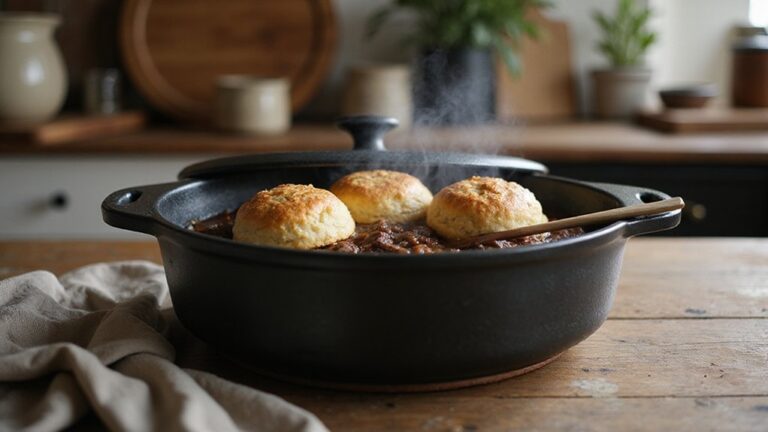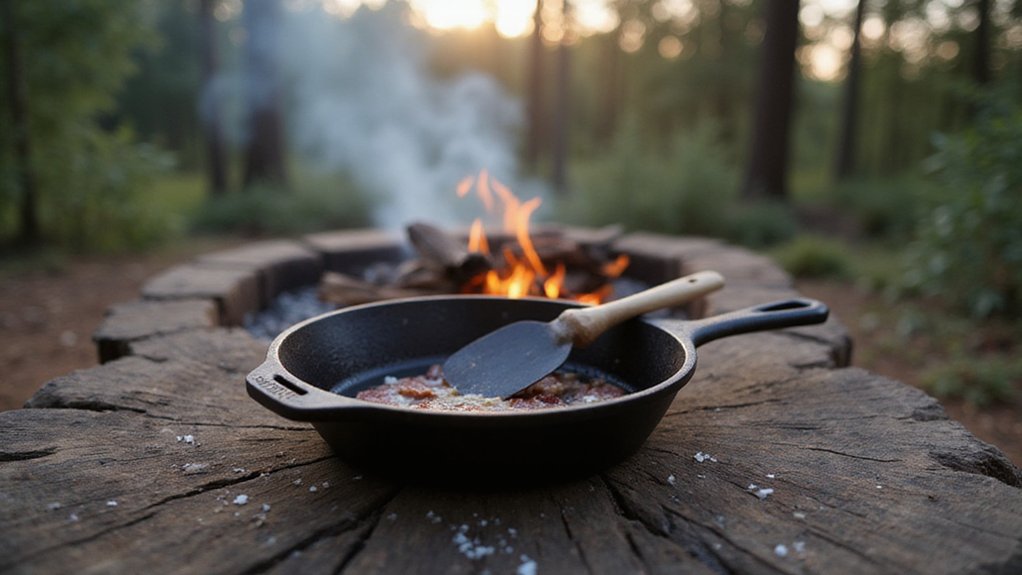
Wondering how to make a hearty mountain man breakfast without lugging along a Dutch oven?
You can do it on a simple camp stove using a large skillet, cooking everything from potatoes and sausage to veggies directly in one pan.
Whisking eggs with milk and pouring them over layered ingredients creates a filling, flavorful meal.
The best part is, it’s lighter and more efficient while still tasting great.
Keep reading to see how to master this easy method.
What Is Mountain Man Breakfast and Why Skip the Dutch Oven?
Skipping the Dutch oven can simplify your camp cooking without sacrificing a hearty breakfast. Instead of relying on a heavy, finicky cast-iron pot, you can prepare Mountain Man Breakfast using a large skillet. This method cuts down on weight, fuel consumption, and the need for constant lid management or coal rotations. By browning the hash browns in 10–15 minutes over medium heat, you streamline the process and avoid the fuss of managing a campfire with multiple coals. The result is a satisfying, stick-to-your-ribs meal that’s ready faster and with less hassle, making your outdoor mornings more enjoyable and less complicated. However, a Dutch oven’s superior heat retention and tight-fitting lid allow for even heat distribution and moisture retention when adapting recipes for slower cooking. For those using a rusty skillet, a vinegar spray solution can quickly remove rust to restore the cookware. To keep the skillet in top shape for future breakfasts, you should bake the skillet upside down at high heat to build a durable new seasoning layer.
3 Best Kitchen Tools for Mountain Man Breakfast
Using the right kitchen tools can make mountain man breakfast preparation much easier, especially without a Dutch oven. A heat regulation stand, like a Lodge trivet, is essential because it lifts your pot off the coals, preventing scorching and uneven cooking. You’ll need to regularly rotate both the pot and lid to manage the uneven heat since there’s no temperature control knob. Heavy-duty tongs with a locking ring are versatile—they allow you to safely move hot coals around the edge of your pot or to adjust them on top for consistent heat. These tongs also clamp oil-soaked paper towels, making it easy to grease your pan without mess. Just as with a stovetop skillet, the key is to use standard frying pans that provide even heat distribution for the caramelized base. For those without an oven, a stovetop alternative using a regular frying pan with a cover works well for cooking cornbread over low heat. Lastly, a wooden spatula is invaluable because its gentle surface won’t scratch your cast iron’s seasoning, and it’s perfect for scrambling eggs or stirring meat and vegetables. Together, these three tools give you precise control and efficiency, even without a Dutch oven. Rotating the Dutch oven and lid is a key heat management technique to prevent hot spots. For any leftover meat, vacuum sealing can extend its freezer storage to 2 to 3 years while maintaining best quality.

Exceptional Heat Retention: Enjoy perfectly cooked meals with cast iron skillets that provide even heat distribution, ideal for searing, frying, and baking in a 12 inch frying pan.

Superior Heat Retention: The Cast Iron Skillet distributes heat evenly across the surface for perfect cooking results. Ideal for searing, sautéing, frying, baking, and more.
Layer Potatoes, Meat, and Veggies for Maximum Flavor
Layer potatoes, meat, and vegetables in a specific order for optimal flavor and even cooking. Since uneven heating means potatoes need the most time, place them at the bottom or middle of your skillet. This positioning allows the potatoes to become fork-tender before you add the eggs. Press each layer down firmly to create compact, uniform strata, which enhances heat retention and promotes consistent cooking. Properly browning ground beef in cast iron helps achieve optimal texture and flavor throughout the dish.
Generously season the potatoes immediately after layering with salt and pepper. This draws out moisture and amplifies flavor from the outset. Next, spread your meat and vegetable mixture evenly across the surface. Sauté onions and bell peppers until soft, then add garlic and green chilies for aromatic depth. Stir until tender before stacking the layers. Since your skillet may not distribute heat as evenly as a Dutch oven, press down on the potato layer to promote even cooking and moisture retention. Adding a splash of chicken broth after layering the potatoes can mimic the moist heat of a covered Dutch oven, ensuring tender results. Thoroughly drying the cookware after each use prevents rust on exposed cast iron edges.
Strategic cheese placement helps unify the mixture. Sprinkle one-third of your grated cheddar between the potato and egg layers—this adds richness and helps set the structure. Stir half of the cheese into the breakfast mixture, reserving the rest for the final topping. Add the remaining cheese just before the eggs fully set to ensure it melts well without burning.
Pre-Cook Sausage and Bacon for the Best Results
Pre-cooking your sausage and bacon before heading out to the campsite is a great way to save time and keep the mess to a minimum. Start by cutting bacon into bite-sized pieces using scissors, then fry it in a skillet over medium-high heat, stirring constantly until crispy. For the sausage, open the bag directly into the pan and break it apart with a spatula. Cook until it’s browned and resembles ground beef. Once cooked, drain most of the excess fat, but leave about 2 tablespoons in the pan. This leftover grease is perfect for sautéing onions and peppers, adding extra flavor and preventing sticking during assembly. For a quick and flavorful sauce, mix hot sauce with ketchup. To serve, consider topping your breakfast with fresh herbs or a fried egg for added flavor and presentation. Pre-cooking these ingredients ensures a smoother workflow at the campsite and keeps everything quicker and cleaner. To ensure food safety, use a meat thermometer to confirm the chicken has reached an internal temperature of 165°F (74°C) before serving. It is important to let the cooked meat and cooled vegetables before packaging them in Ziploc or multiple bags for transport. For compact storage without a machine, use a straw to suck air out of the sealed bags before closing them completely. When checking internal temperatures with an infrared thermometer, ensure you account for the distance-to-spot ratio so the measurement zone matches the food’s surface area.
The Egg-and-Milk Mixture That Binds Everything Together
The egg-and-milk mixture should be whisked until smooth and fully aerated, with no lumps remaining. For a large bake, whisk together 12 eggs with ¾ cup of whole milk, ensuring each ingredient is incorporated evenly. If you’re making a smaller batch, use 10 eggs with just 2 tablespoons of milk; adjust quantities proportionally to maintain the right consistency. Whisk your mixture thoroughly, aiming for a uniform and slightly frothy texture that helps the eggs bind everything properly. This process mirrors the careful preparation required for seasoning a cast iron skillet, where a thin, even application of oil builds a durable non-stick surface. Similarly, achieving a polymerized fat layer on your cookware ensures long-lasting performance and easy cleanup. This technique also resembles the precision of sous vide cooking, where controlled temperature guarantees perfect textures every time. Season the mixture after it is fully combined. Add a pinch of salt and pepper directly into the liquid—this ensures even distribution and keeps other layers from over-seasoning. You can also mix in small amounts of onion powder or garlic salt if you want extra depth of flavor, but avoid adding heavy seasoning since the meat and cheese already contribute plenty of taste. Pour this mixture evenly over your layered ingredients, making sure every component—potatoes, meats, and biscuits—is coated. Proper coverage guarantees that as the eggs set, everything stays bound together into a cohesive, delicious casserole.
Oven Temperatures for Every Mountain Man Breakfast Method
Preheat your oven to the appropriate temperature based on your cooking method. For an oven-baked casserole, start at 400°F and reduce to 350°F if browning occurs too quickly. Bake for about 45 to 50 minutes until the eggs are set. If using a cast iron skillet, set the oven to 375°F and bake for 10 to 15 minutes. For runny eggs, aim for 10 minutes; for a firmer consistency, go for 15 minutes. An indoor Dutch oven should be heated to 350°F, with cooking times around 15 minutes for potatoes, followed by 8 minutes for sausage. After browning the bacon and sausage first in the Dutch oven, the onions and peppers are added to cook longer along with the meat. To achieve a similar juicy finish as cast iron skillet pork chops, sear the meat first in a hot pan before transferring to the oven, spooning over melted butter with aromatics for added moisture. For long-term storage of leftovers, pairing vacuum sealing with oxygen absorbers can drastically extend freshness by eliminating residual air. Using a Lodge Dutch oven for this method allows for seamless stovetop-to-oven transitions that enhance flavor retention.
When working with ingredient variations, adjust the oven temperature accordingly. Sweet potatoes require 15 minutes at 350°F before adding meat. Sausage crumbles cook in 8 minutes at that same temperature. Green onions and cheese are added last, needing just 10 minutes in the oven. For outdoor campfire cooking, place 8 coals below and 16 above a 12-inch Dutch oven to maintain approximately 350°F.
Make a Stovetop-Only Mountain Man Breakfast Skillet
To make a stovetop-only Mountain Man breakfast skillet, start with a 12-inch cast iron skillet. Microwave fork-poked potatoes for 8–10 minutes until soft, then let them cool slightly before cubing. Heat 1 to 2 tablespoons of oil over medium heat, then brown the potatoes for 10–15 minutes, turning occasionally. Season the potatoes with salt, then add sliced green bell pepper and sauté for about 5 minutes until tender. Add diced onion and cook for another 5 minutes. Brown ¼ to ½ pound of sausage directly in the skillet, breaking it apart as it cooks, then set it aside. Use the remaining grease in the skillet to add depth to your flavors. Lower the heat and pour in beaten eggs, scrambling until just set. Fold the cooked vegetables and sausage back into the eggs, then sprinkle with 1 cup shredded cheddar cheese. Cover the skillet and let cook for an additional 10 minutes to melt the cheese. For a finishing touch, garnish with chopped green onions, cracked black pepper, and hot sauce for extra flavor and visual appeal. Cast iron performs best with proper seasoning to maintain a non-stick surface and prevent rust over time, and this can be preserved by rinsing with warm water and drying thoroughly after each use. This method ensures a crispy, hearty breakfast without ever needing an oven.
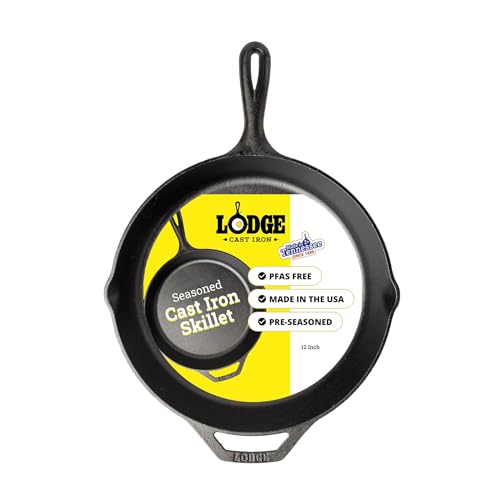
Quality Cast Iron Frying Pan: The Lodge Seasoned Cast Iron Skillet is loved for its great heat retention, incredible durability, and ability to make almost any recipe you dream up

Versatile Cooking Skillet: The Lodge Cast Iron Skillet is a multipurpose, everyday cooking pan that excels at searing, sautéing, baking, frying, and campfire meals

Secure Dual Assist Handle: The Lodge Seasoned Cast Iron Dual Handle Pan features dual assist handles for a secure grip when moving this cast iron skillet
5 Mistakes That Ruin Your Mountain Man Breakfast
Even after mastering the stovetop method, common mistakes can still ruin your mountain man breakfast. One critical error involves seasoning. Underseasoning leaves your dish bland, while overseasoning masks the natural flavors of the meat and potatoes. It’s best to add seasoning gradually and taste as you go to find the right balance. The original recipe uses only four ingredients, so the focus on simplicity allows each component’s flavor to shine without overcomplicating seasoning.
Another mistake is using the wrong utensils. Metal spatulas on cast iron pans can scratch the seasoning layer, which not only damages the pan but can also release bitter flavors. Use wooden or silicone tools instead to preserve your skillet’s non-stick surface.
Moisture management is also crucial. If you skip removing excess water from the potatoes after washing or rinsing, they will become soggy and lose their crispy texture. Pat them dry thoroughly before cooking.
When cooking eggs, avoid high heat. Too-hot surfaces can make your eggs rubbery and tough. Keep the temperature moderate—gentle heat results in fluffier, more tender eggs.
Lastly, don’t add cheese too early. Placing cheese in the pan at the start leads to burning and separation instead of melting. Instead, fold cheese in during the last minute of cooking or just before serving for the best cheesy melt.

Easy Cleanup Tool: The Lodge Scrub Brush is designed to help tackle stubborn food residue and simplify cast iron cookware cleanup
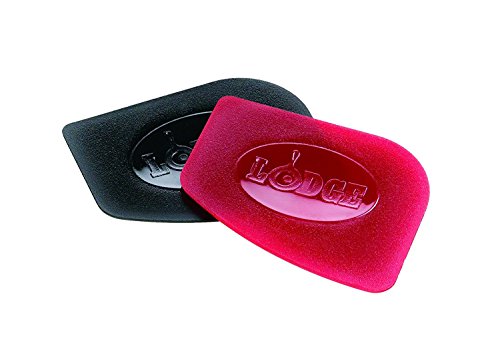
Easy Cleanup Tools: The Lodge Pan Scrapers are designed to help tackle stubborn food residue and simplify cleanup for cast iron cookware and kitchen favorites

PREMIUM MATERIAL: The cast iron skillet cleaner applies premium grade never rusting stainless steel. It is built with soldered and handmade construction, which makes it durable and stronger. Boasting unmatched durability for long-lasting use
5 Easy Ways to Customize Your Mountain Man Breakfast
You can easily customize your mountain man breakfast by experimenting with different proteins. Changing the main protein is one of the simplest ways to alter flavor and texture. Try swapping out the usual eggs or bacon for ground beef, chorizo, or chicken sausage to introduce new flavor combinations. For a vegetarian option, use alternative proteins like black beans or vegan sausage. This not only caters to different dietary preferences but also adds variety to your meal.

DELICIOUS: Finally. A plant-based egg dish that’s fluffy, full of flavor, and fun. Whether you’re a long-time vegan, or you’re exploring a flexitarian diet, our Scramble is going to be your new egg go-to for breakfast, brunch, lunch, and dinner.