Ever wondered what makes some skillets perfect for cooking steaks or frying eggs? The secret often lies in how evenly they heat and their durability.
A cast iron skillet is known for distributing heat smoothly, developing a natural non-stick surface over time, and lasting for generations.
Keep reading to see why it’s a kitchen classic with countless benefits.
Why Your Food Tastes Better When Cooked in Cast Iron
Because cast iron distributes heat evenly, your food cooks uniformly without burnt edges or undercooked centers. This consistency ensures each bite has the same flavor quality, enhancing overall taste. Additionally, as iron naturally releases into your food during cooking, meals in cast iron contain over 16% more iron than those cooked in Teflon pans. This not only boosts the nutritional content but subtly amplifies savory flavors, making traditional recipes more authentic. Restoring a cast iron skillet by using a vinegar spray can effectively remove rust and old seasoning, ensuring the pan performs at its best. From the first pancake to the last slice of cornbread, you’ll notice richer, cleaner flavors. The absence of hot spots means you can enjoy both perfect texture and taste without compromise. For precision when seasoning or deep frying, a digital meat thermometer with a waterproof rating can accurately measure water or oil temperature without damage. When using an infrared thermometer to check your skillet’s surface temperature, remember that the D:S ratio determines how close you must hold it to measure only the pan and not the surrounding air.

YOUR NEW GO-TO SEASONING SPRAY: The Lodge Seasoning Spray is the perfect seasoning spray to maintain your cast iron cookware. It is made of 100% canola oil - no additives or propellants, to protect your cookware and enhance its finish.

TLC for your griddle cooktop: All you need to build a slick, easy-release surface that's protected from rust and easy to work with using Blackstone griddle seasoning and cast iron conditioner

Complete Care System: The Lodge Cast Iron Care Kit combines everyday cleaning and maintenance essentials into one convenient set designed to help support long-lasting cast iron care
How Cast Iron’s Heat Retention Delivers Perfect Searing
When you heat a cast iron skillet, its high thermal mass ensures it retains and distributes heat effectively. This dense material absorbs energy during the preheating process and holds onto it much longer than lighter metals like aluminum or stainless steel. As a result, your pan maintains a consistent temperature, even when you add cold ingredients, preventing sudden drops that can ruin a sear. The manufacturing process, which involves pouring molten metal into sand molds, gives cast iron this dense, heat-retaining structure. For eggs, sous vide cooking offers similar precise temperature control to customize doneness, but for searing, cast iron excels.
A proper 3 to 5-minute preheat is crucial; it warms the entire surface evenly, not just the area above the flame. When you place a steak onto the hot skillet, it quickly hits nearly 500°F, enabling a rapid Maillard reaction. The low thermal conductivity of cast iron traps heat, avoiding rapid cooling that would otherwise compromise the crust.
This heat retention capability ensures that you get a deep, crunchy crust every time—no steaming or uneven browning. The consistent high temperature provided by cast iron lets you achieve the perfect sear with minimal effort.

Thoughtfully Designed Cast-Iron Skillet: This 8-inch iron skillet showcases ergonomic handles, spatula-friendly sidewalls, and generous pour spouts

Collectible heart and arrow design
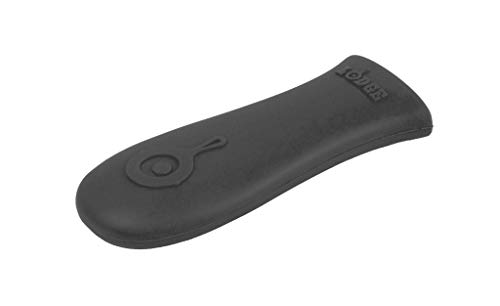
Reliable Heat Resistance: Designed for skillets 9 inches and larger, the Lodge Silicone Hot Handle Holder delivers a secure grip on hot cookware with heat resistance up to 500°F
The Health Benefits You Didn’t Know Cast Iron Provides
Cooking with cast iron significantly enhances your iron intake. The skillet’s natural iron content leaches into acidic foods like tomato sauce, increasing the meal’s nutritional value. For example, one study found that the iron in spaghetti sauce jumped from 0.6 mg to 5.7 mg per 100 grams when cooked in a cast iron skillet. This natural iron absorption helps prevent anemia without relying on supplements. Additionally, using cast iron avoids the toxic fumes and flakes associated with non-stick coatings like Teflon. A well-seasoned cast iron pan also requires less oil, supporting healthier cooking habits. Vacuum sealing techniques similarly lock in nutrients and extend freshness, preventing spoilage and maintaining food quality for up to five times longer. Your body’s regulation of this iron intake ensures it is absorbed safely, making cast iron cookware a smart, chemical-free choice for many people. Preheating the skillet over medium heat before adding oil helps ensure even cooking and protects the seasoning. For busy families, this same skillet can be used to prepare one-pot ground beef dinners like stroganoff or goulash in under 30 minutes.
Cast Iron Works on Any Heat Source: Stovetop to Campfire
Cast iron works seamlessly on any heat source, from stovetop to campfire. Its versatility shines because it heats evenly, retains high temperatures, and can handle direct open flames. Whether using gas, electric, induction, oven, grill, or open fire, cast iron performs reliably. You can also use a cast iron skillet in the oven to generate steam for baking artisan bread, helping achieve a good oven spring and crusty loaf.
For induction cooktops, its ferromagnetic properties allow full compatibility and efficient heat transfer. When using glass cooktops, lift the pan instead of sliding it to prevent scratches. On gas stoves and grills, preheating with the lid closed speeds up cooking and ensures even heating. When cooking over a campfire, using hot coals instead of direct flames helps control the temperature more precisely. However, for tasks like candy making where internal temperature is critical, a digital probe thermometer is more accurate than an infrared model.
Bare cast iron is excellent for open flames and campfire cooking, but avoid enameled versions outdoors—they may not withstand direct flames as well. Matching the pan size to the burner or fire source prevents hot spots and promotes even cooking. For long-term storage of cast iron cookware between uses, a vacuum sealing technique can prevent moisture and rust.
Adjust your heat source to suit the dish, and you can tackle anything from sautéing vegetables to searing a steak, both indoors and out.

Secure Dual Assist Handle: The Lodge Seasoned Cast Iron Dual Handle Pan features dual assist handles for a secure grip when moving this cast iron skillet

Quality Cast Iron Frying Pan: The Lodge Seasoned Cast Iron Skillet is loved for its great heat retention, incredible durability, and ability to make almost any recipe you dream up

Pre-Seasoned & Ready to Use: The Lodge Cast Iron Griddle comes naturally pre-seasoned and ready to use for tortillas, pancakes, and more right from the box
Cast Iron: A One-Time Investment That Lasts Generations
Investing in a cast iron skillet is a decision you’ll rarely regret because these pans can last for generations. Their durability has been proven over centuries, making them almost indestructible when properly cared for. You can often find vintage pans at yard sales or antique shops, sometimes covered in rust but easily restored. With just basic maintenance—drying thoroughly after washing, applying a thin layer of oil, and storing uncovered—your skillet can serve you for decades. Avoid soaking it or using harsh detergents, and if rust appears, scrub it off and reseason. This makes cast iron a highly cost-effective investment, outperforming pricier stainless steel options. One purchase can translate into a lifetime of cooking, allowing you to pass down a piece of culinary history and heritage for your family. For those interested in similar cost-effective food preservation, freezer paper is a key component of a simple meat freezing method that outperforms vacuum sealing. The skillet is also ideal for making buttermilk cornbread, which develops a crisp, golden crust when the batter is poured into the preheated, well-oiled pan. Using high heat allows the pan to create a perfect sear that locks in juices, and cooking steak to an internal temperature of 130-135°F yields a medium-rare result for optimal tenderness.

RESTORE & PROTECT YOUR CAST IRON: Keep skillets, Dutch ovens, griddles, grill grates, and carbon steel cookware in peak condition with our premium cast iron skillets seasoning oil. Builds a durable protective layer that helps prevent rust, preserves the classic black patina, and maintains naturally nonstick cooking performance.
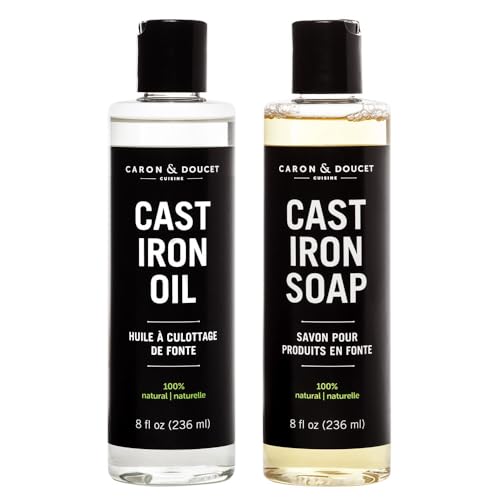
CLEANS CAST IRON | Includes our Cast Iron Soap unlike detergent based soaps, this soap is formulated with 100% natural plant-based oils & free of sulfates, phosphates, parabens & petrochemicals! Gentil on cast iron seasoning & on your hands!

Mild and Easy: Grapeseed Oil is at its best in stir-fries and sautés; it doesn't overwhelm other ingredients and lets fresh flavors shine. When grilling or frying, it is a must-have in the pantry.
Natural Non-Stick Properties Simplify Cast Iron Maintenance
The natural non-stick properties of cast iron make it easy to use and maintain. This benefit comes from a process called seasoning, which creates a slick, polymerized layer on the pan’s surface. To build this layer, apply a thin layer of oil and wipe off any excess—aim for a single, even molecular monolayer. Then heat the pan to between 390 and 425°F to start cross-linking the oils. This temperature range ensures the seasoning bonds properly without damaging the pan. Proper preheating on medium heat until the pan produces steam and smoke is essential to achieve a non-stick surface before adding fat. This same technique is ideal for baking a chicken pot pie at 375–400°F until the crust is golden brown. For best results, place the skillet upside down in the oven with foil below to catch drips during the seasoning process. Never wash the skillet in a dishwasher, as it strips seasoning and can induce rust.
After cooking, you can clean your cast iron with hot water and a brush, avoiding soap, which can strip the seasoning. The seasoning itself does the work of preventing sticking and easing cleanup. With regular use, this layer becomes naturally non-stick and durable. You only need to re-season once or twice a year to maintain these properties, keeping your pan food-release ready and simplifying maintenance.
Why Restaurants Choose Cast Iron for Searing and Serving?
Restaurants choose cast iron for searing and serving because it provides consistent, high heat retention and unmatched durability. Its ability to hold steady heat prevents hot spots and uneven browning, ensuring your steaks develop a deep, crusty sear every time. Properly seasoned, cast iron also forms a natural non-stick surface that enhances flavor release both during cooking and when presenting dishes at the table. You can sear on the stovetop and then transfer the skillet directly into the oven for braising, maintaining an even, sizzling temperature throughout. When serving, cast iron keeps food hot longer, elevating the dining experience. This same technique is used to slow-roast a chuck roast at a low temperature until it becomes fall-apart tender. Its durability makes it a long-term investment, outperforming fragile nonstick pans under high-volume restaurant conditions. This method relies on evenly heating the joint to ensure the metal bonds properly, similar to how a butane torch must heat aluminum to avoid damage. For optimal storage, you can apply vacuum sealing techniques to preserve leftover cast-iron meals by removing air and tightly compressing them in sealed bags.

Fabric Type: Rubber

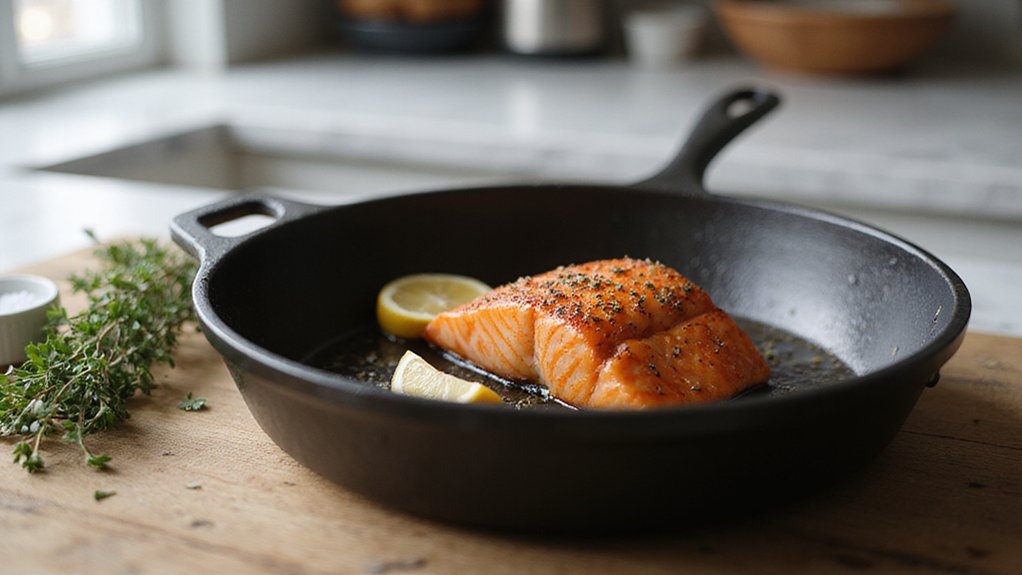
Versatile Cooking Skillet: The Lodge Cast Iron Skillet is a multipurpose, everyday cooking pan that excels at searing, sautéing, baking, frying, and campfire meals

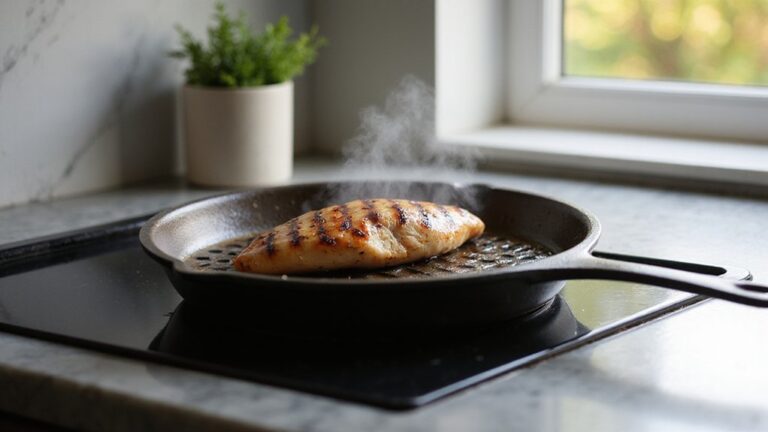
Steakhouse Sear At Home: The Lodge Square Cast Iron Grill Pan delivers high-heat searing and bold grill marks while channeling excess grease away