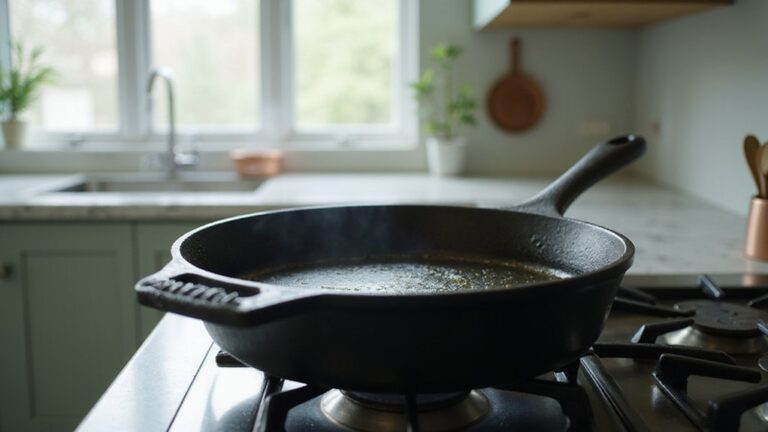
You’ll effectively remove burnt-on food by rinsing your skillet with hot water immediately after cooking. Use coarse salt or baking soda as natural abrasives, scrubbing with a paper towel or sponge to tackle stubborn residue. For tougher spots, try boiling water with baking soda or create a paste and let it sit. Always dry your skillet thoroughly on low heat, then apply a thin layer of neutral oil to restore seasoning. These foundational techniques work for most situations, though deeper restoration methods exist for severe cases.
Initial Cleaning and Rinsing
Because cast iron requires immediate attention after cooking, you’ll want to rinse your skillet with warm or hot water right away to loosen excess food residues and grease. Hot water effectively breaks down fats and oils, easing subsequent cleaning steps. Choose a water temperature that’s comfortable to handle while remaining effective at softening stuck-on food. Additionally, this initial rinsing can help prevent the formation of rust formation, which can occur with prolonged exposure to moisture.
Rinsing techniques vary depending on residue severity. For light debris, a simple rinse often removes most loose particles before scrubbing. Avoid soaking your skillet, as prolonged water exposure promotes rust formation.
If initial rinsing proves insufficient, consider heating the skillet slightly before rinsing again—this helps lift stubborn, burnt-on food. Remember that no-yeast bread recipes can also create food splatters, so cleaning your skillet right after use is essential. Multiple rinse cycles may be necessary for heavily burnt surfaces. This preliminary step prepares your skillet for deeper cleaning methods.
Using Salt or Baking Soda for Scrubbing
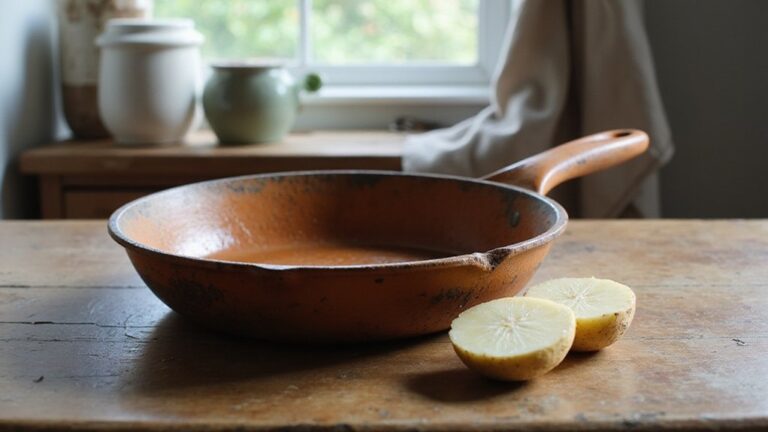
Once you’ve loosened the bulk of food residue through rinsing, you’ll want to employ natural abrasives to tackle stubborn burnt-on spots and complete the cleaning process. Salt scrubbing techniques offer a quick, chemical-free approach: cover your dry pan with a quarter cup of kosher or sea salt, then scrub vigorously with a paper towel or sponge. The granular texture gently releases stuck food without damaging seasoning. Additionally, using a potato as a scrubber with coarse salt can effectively clean while conditioning the skillet.
For baking soda effectiveness on tougher residue, create a paste with water and apply it directly to problem areas. Let it sit for thirty minutes before scrubbing away the loosened debris. You can also boil water with two tablespoons of baking soda for additional cleaning power. After using these methods, remember to thoroughly dry your skillet to prevent rust formation.
Both methods preserve your skillet’s seasoning while delivering reliable results without harsh chemicals.
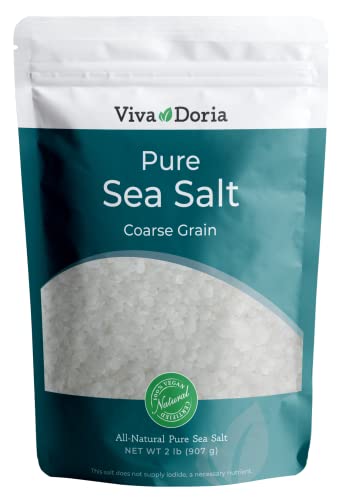
VISUALLY CAPTIVATING: Each crystal glistens with pristine clarity, reflecting the sun's radiant glow and embodying the sea's untamed essence.

Premium kosher sea salt from the Mediterranean

Mineral-Rich: Unrefined to preserve essential minerals, our Baja sea salt enhances the flavor & nutritional value of your dishes. This coarse salt for grinder refill adds depth to every dish, making it a healthy & flavorful choice for your kitchen.
Tools and Techniques for Tough Residue or Rust
When natural abrasives aren’t enough, you’ll need to escalate your approach for stubborn rust or heavily burnt-on food. Fine steel wool effectively removes rust without damaging your cast iron’s underlying metal. Use circular scrubbing motions across both interior and exterior surfaces for approximately ten minutes to guarantee complete coverage. Remember that regular maintenance with seasoning oil helps to prevent further rust from forming and enhances the skillet’s non-stick properties.
For rust removal on heavily compromised pieces, try the vinegar and baking soda chemical reaction method. Apply baking soda paste directly to rusted areas—the natural chemical reaction breaks down oxidation without excessive manual labor. This combination approach notably reduces scrubbing time, making it ideal for cast iron acquired from yard sales or flea markets with extensive rust buildup. Additionally, ensure you keep your skillet well-seasoned to maintain its non-stick property of cast iron.
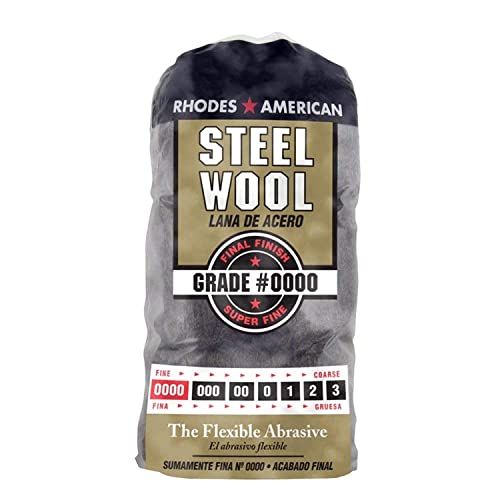
Steel wool super fine grade #0000 used in cleaning, polishing, buffing and refinishing

[ You Will Receied ] 1pcs steel wool scrubber and 4pcs steel cleaning pads for replacement, which are easy to scrubbing stains and grease on kitchen appliances, as well as rust on various pot bottoms, making them shiny like new. In addition, you can use it combination with stainless steel cleaner to achieve better cleaning and improve cleaning efficiency
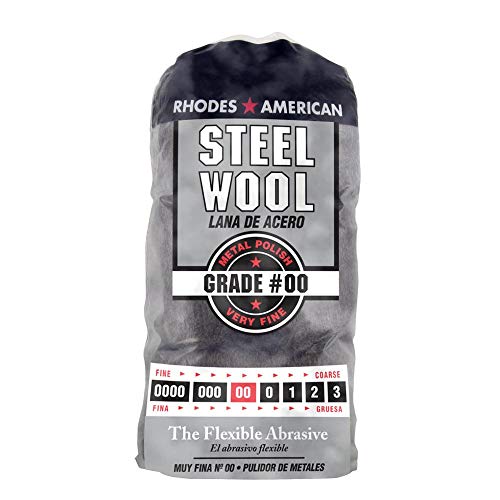
Pack of 12 steel wool pads
Washing and Drying Process
After you’ve removed rust or heavily burnt-on food, it’s time to thoroughly wash your skillet. Rinse it under hot water while using a stiff-bristled brush to scrub the surface. Apply minimal dish soap to preserve your seasoning layer, then rinse thoroughly to remove all cleaning agents. Using coarse kosher salt as an abrasive can effectively help lift stubborn remnants.
Drying requires immediate action—use a lint-free cloth to remove all moisture from the cooking surface, handle, and crevices. For effective techniques, place your skillet on low heat for several minutes to evaporate any remaining water. This safety precaution prevents rust formation, which occurs when you leave your skillet damp. Remember that drying completely is crucial to keeping your skillet in optimal condition.
Allow it to cool completely before storing. Never leave cast iron soaking, as extended water exposure compromises its integrity and promotes rust development.
Re-Seasoning and Oiling
Now that your skillet’s clean and completely dry, you’ll want to restore and build its protective seasoning layer through strategic oiling and heat application. Apply a very thin layer of neutral oil with a high smoke point—grapeseed, avocado oil, or Crisco work best—using a lint-free cloth. Wipe away excess oil immediately with a clean paper towel, leaving only a trace layer. Cover all interior surfaces and rims for uniform protection. It’s important to allow the skillet to cool before hand washing to maintain its seasoning during the cleaning process. Using beef tallow, known for its high smoke point, can also enhance the durability of the seasoning layer.
Place your oiled skillet upside down on the middle oven rack, preheated to 400–500°F, with foil beneath to catch drips. Bake for 30–60 minutes until smoking stops, indicating polymerization. Allow the pan to cool inside the oven before removing. Repeat these re-seasoning techniques multiple times to build durable layers that enhance non-stick performance and rust resistance.

Mild and Easy: Grapeseed Oil is at its best in stir-fries and sautés; it doesn't overwhelm other ingredients and lets fresh flavors shine. When grilling or frying, it is a must-have in the pantry.

Light Buttery Flavor That Elevates Every Meal: Algae Cooking Club Chef-Grade Algae Oil enhances every dish with subtle richness. Its neutral profile makes it ideal for searing, baking, and dressings, transforming everyday meals into gourmet experiences.
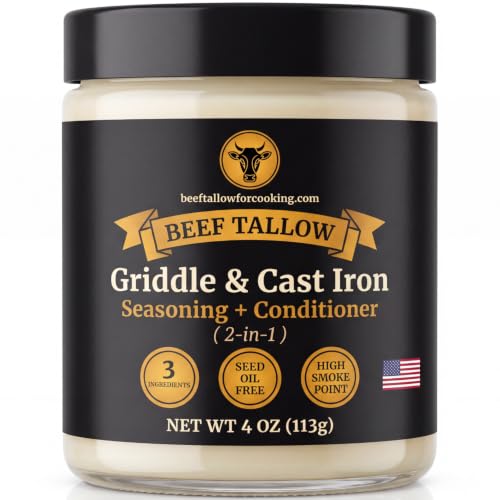
THE SEED OIL FREE FORMULA — Golden Render is the world's first seed oil free, tallow-based griddle seasoning & cast iron conditioner. While others use soy, shortening, grapeseed, sunflower or canola, we use just 3 clean ingredients: beef tallow, avocado oil & beeswax.
Maintenance Tips to Prevent Burnt Food and Damage
Proper maintenance of your cast iron skillet extends far beyond the initial seasoning process—it’s an ongoing commitment that directly impacts the pan’s performance and longevity. Master heat control by preheating gradually over medium heat, which encourages oil polymerization and prevents food from sticking. Select cooking fats with high smoke points, like vegetable oil or clarified butter, and apply them evenly before cooking. Avoid overcrowding your pan, which causes uneven temperature distribution and burnt spots. Stir food regularly and use wooden or silicone utensils to preserve seasoning layers. After cooking, clean promptly with warm water and gentle scrubbers, then dry thoroughly and apply a thin oil coat. These practices build resilient seasoning that naturally resists burnt-on residue. Additionally, be mindful of cooking with acidic foods, as they can break down the seasoning layer and affect the skillet’s longevity. Using a smooth-bottom pan can help protect your cooking surface from scratches during use on certain cooktops.
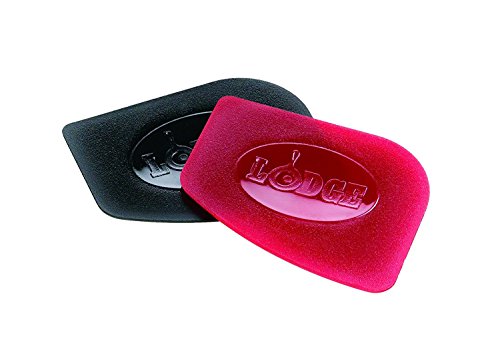
Easy Cleanup Tools: The Lodge Pan Scrapers are designed to help tackle stubborn food residue and simplify cleanup for cast iron cookware and kitchen favorites

High Quality Stainless Steel: This metal spatula is made of thickened and hardened stainless steel, perfect for cast iron skillets, and smashing burger

✅【Spatula Set Included】: You will receive 3 kitchen utensils, a kitchen spatula, a fish spatula, and a wide pancake spatula. The reasonable kitchen spatula set can meet your various cooking needs!
Common Mistakes to Avoid
Even with the best intentions, you can undo your cast iron skillet’s seasoning and durability through a few vital errors. Avoid overusing soap and harsh detergents that strip away protective seasoning layers. Don’t subject your skillet to improper soaking, which introduces moisture that triggers rust formation. Skip the steel wool and aggressive scrubbers—they damage seasoning and expose the pan to oxidation. A thorough cleaning can often require physical removal techniques if burnt-on food persists despite conventional scrubbing.
You’ll also want to prevent burnt residues by managing heat carefully. Overheating causes food to stick and burn, then you’re tempted to scrub aggressively, compounding the damage. Always dry your skillet immediately after cleaning and re-season it to replenish that essential protective barrier. Using a chain mail scrubber can effectively dislodge stubborn residue while maintaining your skillet’s seasoning. These preventative measures preserve your skillet’s functionality and extend its lifespan markedly.

Clean your cast iron pans with the uniquely designed chainmail that allows for safe treatment of pan

PREMIUM MATERIAL: The cast iron skillet cleaner applies premium grade never rusting stainless steel. It is built with soldered and handmade construction, which makes it durable and stronger. Boasting unmatched durability for long-lasting use

【PROFESSIONAL COMBO FOR TOUGH CLEANING】: Cast iron scrubber is made of 316 stainless steel + silicone. Silicone has extreme stability, can resist high temperatures. Pan scraper is made of thickened ABS plastic, non-stick and non-cracking, heat-resistant up to 275 °F
When to Call in Professional Help
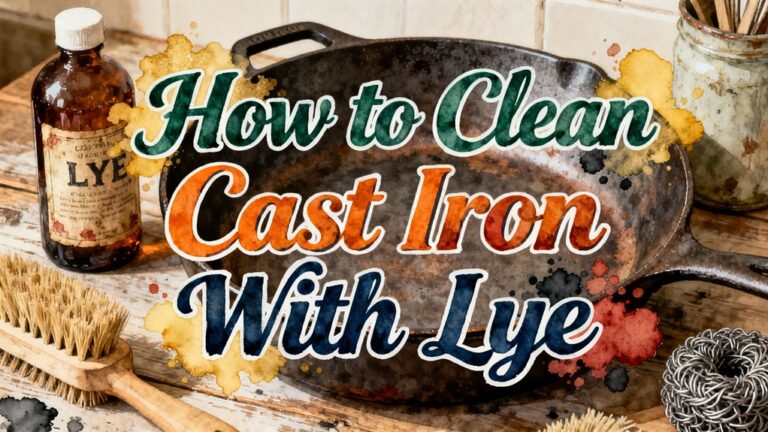
When should you hand off your cast iron skillet to a specialist? You’ll benefit from professional restoration when you’re facing extensive rust, stubborn carbon buildup that resists home methods, or structural damage requiring expert evaluation. Professionals employ safe techniques like lye baths and electrolysis that preserve your skillet’s integrity while removing decades of oxidation and degraded seasoning. For those unfamiliar with the process, professional services can ensure proper seasoning techniques are used to revitalize your skillet effectively. Additionally, many experts are knowledgeable about methods to remove rust effectively, which can be crucial for restoring heavily damaged cookware. A cost analysis reveals pricing scales with complexity: small skillets run $20–$25, while deep skillets or Dutch ovens reach $40–$60 or more. Most providers deliver estimates from condition photos, completing work within 7–14 days. For heirloom pieces or when DIY efforts fail, professional restoration restores cooking performance and maintains value without risking damage from abrasive methods.