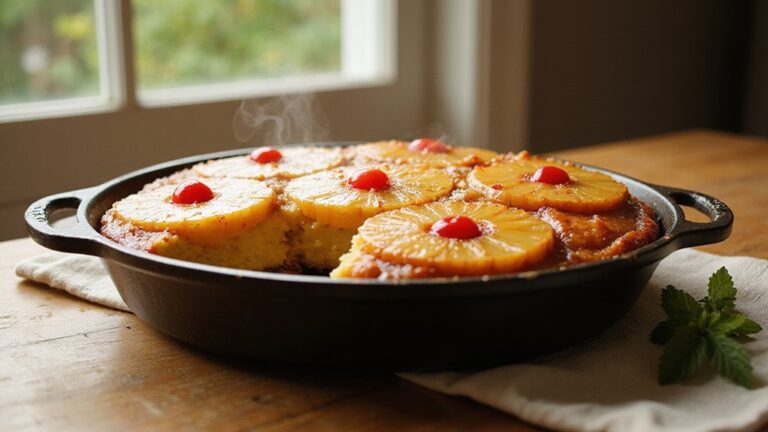
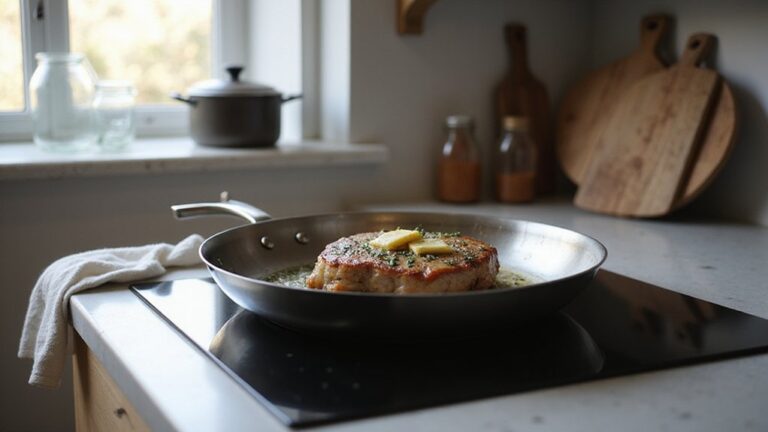
To clean your sticky cast iron skillet, heat it to 300°F for one hour to loosen baked-on buildup. Scrub with coarse sea salt in circular motions using a foam bristle brush, then rinse immediately and dry completely. Stickiness typically stems from improper seasoning, excess oil, or incorrect cooking temperatures. Prevent future issues by applying thin oil layers during seasoning at 450–500°F and maintaining consistent post-use cleaning. Understanding the underlying causes of stickiness will help you restore your skillet’s performance.
Causes of Stickiness
When your cast iron skillet becomes sticky, it’s typically due to one of several preventable issues. Seasoning failures occur when you apply oil at insufficient heat, preventing proper polymerization and creating sticky oil buildup instead of a durable coating. Excessive oil application causes tacky residues that don’t fully burn off, while incorrect cooking temperatures—either too high or too low—compromise food searing and increase sticking risk. You may also experience stickiness from inadequate oil during cooking, leaving dry spots vulnerable to food adhesion. Additionally, residual buildup from improper maintenance accumulates when incomplete polymerization creates gummy layers. Understanding these root causes helps you prevent sticky oil problems and maintain your skillet’s natural nonstick properties through proper seasoning, heat management, and cleaning practices. A well-seasoned cast iron pan develops a natural non-stick coating that prevents food from adhering, similar to how bacon and cheese meld together in a Dutch oven dish for a delightful cooking experience.
Cleaning Sticky Residue
Once you’ve identified the cause of your skillet’s stickiness, you’ll need to remove the accumulated residue before restoring its seasoning. Different residue types require distinct cleaning techniques. For gummy or baked-on buildup, heat your skillet in a 300°F oven for one hour to soften the coating, then wipe it clean with a cloth. It’s important to remember that regular cleaning can help preserve your skillet’s natural non-stick properties.
For stubborn sticky layers, employ coarse sea salt as a natural abrasive combined with a stiff-bristled brush or steel wool. Boiling water in the skillet helps loosen particularly resistant residue. Use foam bristle brushes for gentler scrubbing that won’t damage the cooking surface. It’s crucial to thoroughly dry your skillet after cleaning to prevent rust formation.
After residue removal, rinse thoroughly with hot water and dry completely to prevent rust formation. Apply a thin oil layer to restore the seasoning.
Proper Cleaning Steps
Now that you’ve identified and begun addressing the sticky residue, you’ll need to follow systematic cleaning steps to fully restore your cast iron skillet’s functionality.
Begin with initial preparation by removing food debris using a stiff-bristled brush and hot water. Apply coarse sea salt as a natural abrasive, scrubbing with circular motions using a sponge or steel wool pad for stubborn buildup. Proper cleaning techniques focus on sticky areas and rinse immediately afterward.
The drying process is critical. Dry your skillet immediately with a lint-free cloth, then place it on low heat to evaporate remaining moisture completely. Confirm all surfaces, including the handle and underside, are thoroughly dry. Avoid air drying, which promotes rust formation.
Inspect for remaining residue and repeat scrubbing if necessary. Check corners and edges for rust indicators. Maintain consistent cleaning schedules to prevent future sticky accumulation. To enhance the care of your skillet, consider making a protective accessory like a crochet skillet handle cover using 100% cotton yarn, which provides heat resistance and comfort.

RELAXING ROUTINE: Add relaxation & exfoliation to your skincare routine
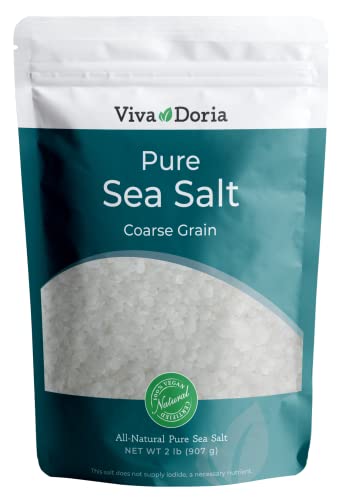
VISUALLY CAPTIVATING: Each crystal glistens with pristine clarity, reflecting the sun's radiant glow and embodying the sea's untamed essence.

PREMIUM QUALITY SPA/BATH SALT: Harvested from the mineral-rich waters of the Dead Sea's southern end, experience the luxury of spa-quality skin care at home with Minera Dead Sea Salt. Choose between fine (0-1.7 mm) and coarse (1.7-4mm) grain size
Oil and Seasoning Tips
After you’ve thoroughly cleaned and dried your skillet, selecting the right oil and applying it correctly will determine whether you’ll achieve a durable, non-stick surface or end up with sticky buildup. For oil types, choose high smoke-point options like avocado oil or Crisco shortening; beginners should opt for affordable canola oil. Avoid olive oil due to its low smoke point and sticky residue. Additionally, using beef tallow for seasoning is favored for its natural properties and high smoke point, making it a strong option for creating a non-stick finish.
When applying oil, use a lint-free cloth to spread a thin, even layer, then wipe away all excess. Multiple light coats outperform single heavy applications. Employ seasoning methods involving your oven preheated to 450–500°F, positioning the skillet upside down for one hour. Cool completely inside the oven. Repeat this process two to three times for best results.
Additionally, make sure that your skillet has a smooth bottom to prevent any risk of damage to your cooking surface during the seasoning process.

Mild and Easy: Grapeseed Oil is at its best in stir-fries and sautés; it doesn't overwhelm other ingredients and lets fresh flavors shine. When grilling or frying, it is a must-have in the pantry.

Light Buttery Flavor That Elevates Every Meal: Algae Cooking Club Chef-Grade Algae Oil enhances every dish with subtle richness. Its neutral profile makes it ideal for searing, baking, and dressings, transforming everyday meals into gourmet experiences.
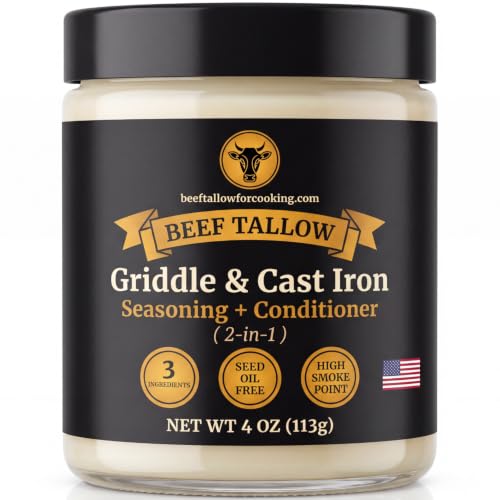
THE SEED OIL FREE FORMULA — Golden Render is the world's first seed oil free, tallow-based griddle seasoning & cast iron conditioner. While others use soy, shortening, grapeseed, sunflower or canola, we use just 3 clean ingredients: beef tallow, avocado oil & beeswax.
Restoring Nonstick Surface
While proper seasoning establishes your skillet’s nonstick foundation, a sticky surface often signals that rust, buildup, or damage requires restoration before you can apply fresh seasoning. You’ll employ restorative techniques to address underlying issues compromising performance. Start with aggressive scrubbing using steel wool and dish soap to eliminate rust and residue completely. For surface treatment, use a random orbital sander with coarse then fine discs to smooth pitted areas, improving seasoning adhesion. Follow with chain mail scrubbing to refine rough spots further. After thorough cleaning, heat your skillet on the stovetop to open pores and evaporate moisture entirely, as this process is crucial for rebuilding a durable, effective seasoning layer. This thorough restoration prepares your surface for multiple thin oil applications and high-heat oven seasoning cycles, rebuilding a durable, effective nonstick layer. Remember to thoroughly dry the skillet after cleaning to avoid any moisture buildup that could affect the seasoning process.

[ You Will Receied ] 1pcs steel wool scrubber and 4pcs steel cleaning pads for replacement, which are easy to scrubbing stains and grease on kitchen appliances, as well as rust on various pot bottoms, making them shiny like new. In addition, you can use it combination with stainless steel cleaner to achieve better cleaning and improve cleaning efficiency

✔️【Package Included】4pcs steel wool scrubber set, they are easy to clean and scrub the stains and grease on the kitchen utensils, as well as the rust on the bottom of various pots, making them shiny as new. Of course you can use it together with a cleaning agent, the removal effect is better and the efficiency is higher.

【PROFESSIONAL COMBO FOR TOUGH CLEANING】: Cast iron scrubber is made of 316 stainless steel + silicone. Silicone has extreme stability, can resist high temperatures. Pan scraper is made of thickened ABS plastic, non-stick and non-cracking, heat-resistant up to 275 °F
Common Mistakes to Avoid
Even with the best restoration efforts, you can undermine your cast iron’s performance through improper cleaning habits. Several common misconceptions persist about cast iron maintenance. You shouldn’t soak your skillet in water, as prolonged moisture exposure causes rust and degrades seasoning. Avoid harsh soaps and abrasive scrubbers like steel wool—these cleaning myths damage your protective layer. Instead, use minimal soap with gentle nylon brushes and rinse promptly with hot water. Additionally, consider using the Lodge Dutch oven for versatile cooking techniques that can enhance your overall culinary skills.
Don’t skip the vital drying step. Immediately towel-dry your skillet and optionally heat it briefly on the stovetop to eliminate residual moisture. Apply a light oil coating afterward to restore seasoning. Regular use helps build and maintain the skillet’s natural nonstick seasoning, contributing to its longevity.
Finally, manage heat carefully during cleaning. Avoid thermal shock from abrupt temperature changes, which can warp the steel. These precautions preserve your skillet’s nonstick surface and longevity.
Maintenance and Prevention
Because consistent care prevents costly restoration efforts, you’ll want to establish a regular cleaning routine immediately after each use. Proper cast iron care demands that you wipe excess grease with a paper towel and rinse thoroughly under warm water. Dry your skillet completely, including the handle and underside, then apply a thin oil layer to maintain seasoning. Additionally, applying a light coat of oil after cleaning helps to preserve the seasoning and prevent rust.
Your cooking techniques greatly impact maintenance needs. Avoid prolonged contact with acidic foods that compromise seasoning. Season your skillet regularly and monitor for sticky spots, addressing them immediately with salt-and-oil scrubbing if necessary. Store your skillet in a dry, well-ventilated location, preferably hung to maximize air circulation. Check periodically for rust or moisture signs. This disciplined approach preserves your skillet’s non-stick surface and prevents deterioration. Additionally, gentle cleaning methods similar to those recommended for Dutch oven care can further contribute to maintaining your skillet’s performance and longevity.

YOUR NEW GO-TO SEASONING SPRAY: The Lodge Seasoning Spray is the perfect seasoning spray to maintain your cast iron cookware. It is made of 100% canola oil - no additives or propellants, to protect your cookware and enhance its finish.
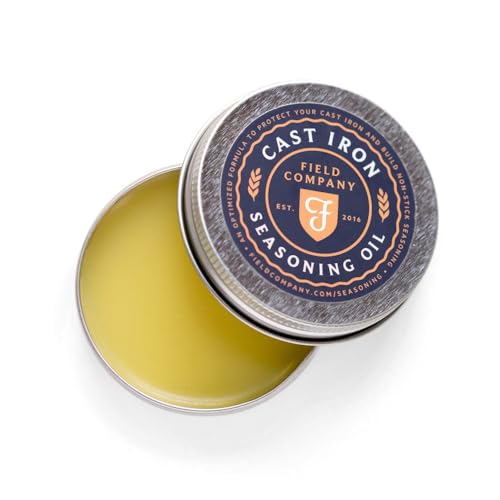
HOW TO USE: The key to naturally nonstick cast iron cookware? Cook often, and apply Seasoning Oil every time you clean your pan. Clean your cast iron with soap and a brush, then use a chain mail scrubber to smooth out existing seasoning layers. Apply a dab of Seasoning Oil and spread it thinly over the surface with a paper towel or clean rag. Wipe away excess oil to leave a dry, matte finish.
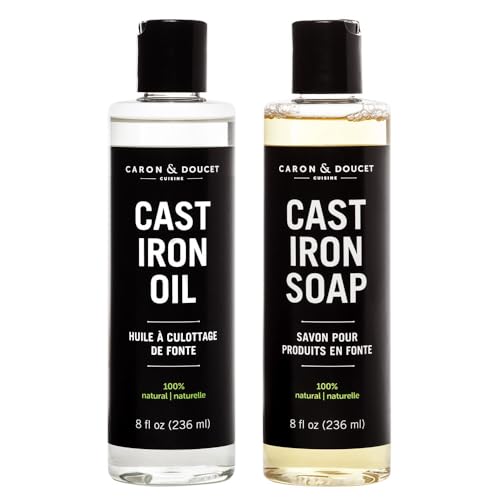
CLEANS CAST IRON | Includes our Cast Iron Soap unlike detergent based soaps, this soap is formulated with 100% natural plant-based oils & free of sulfates, phosphates, parabens & petrochemicals! Gentil on cast iron seasoning & on your hands!
When to Re-season Your Skillet
After establishing a consistent maintenance routine, you’ll need to recognize when your skillet requires re-seasoning to maintain peak performance. Watch for visible rust spots, loss of non-stick properties, or a dull matte finish—these signal that re-seasoning is necessary. Additionally, proper care techniques ensure the longevity of your skillet and enhance its cooking performance.
Your re-seasoning frequency depends on cooking habits and usage intensity. Regular cooking with high-fat foods builds seasoning naturally, but occasional re-seasoning a few times yearly enhances maintenance. Heavily used pans may need more frequent attention.
When re-seasoning, select appropriate seasoning oils like soy-based vegetable oil, solid shortening, or avocado oil for high-heat applications. Apply thin, even coats rather than heavy layers. Multiple thin applications create superior durability compared to single thick coatings, ensuring your skillet performs effectively for years. Additionally, be mindful that the cooking temperature can affect the accuracy of surface readings, which may influence how well the skillet retains its seasoning over time.

100% GRAPESEED OIL BULK SIZE: Expertly crafted by The Olive Oil People using wine grape seeds imported from France

Mild and Easy: Grapeseed Oil is at its best in stir-fries and sautés; it doesn't overwhelm other ingredients and lets fresh flavors shine. Great for everyday use, high heat cooking, and for DIY beauty applications

Very High Smoke Point: Features a smoke point of 450-500F, making it suitable for high-temperature seasoning and maintenance of cast iron cookware