Wondering if peanut oil is good for seasoning cast iron? It actually works well because of its high monounsaturated fat content, which helps create a durable, non-stick coating.
Just remember to use a thin layer, bake at around 450°F, and repeat a few times for the best finish.
Keep reading to see how it compares to other oils.
Why Peanut Oil Works for Cast Iron Seasoning
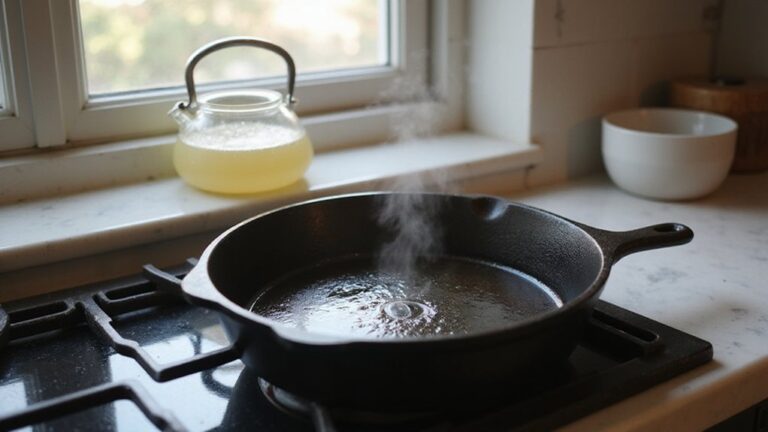
Peanut oil works well for cast iron seasoning because of its fat composition. It is high in monounsaturated fats and low in polyunsaturated fats. This ratio allows the oil to form a stable, durable layer when heated. As you heat the oil, these fatty acids polymerize, creating a tough, water-resistant coating on the cast iron surface. Unlike oils that can gum up or cause uneven seasoning, peanut oil produces a smooth, rust-resistant finish. Its chemistry supports consistent and reliable seasoning results, making it a popular choice for maintaining your cast iron cookware. Seasoning improves with use over time and builds a resilient, non-stick layer through polymerization. Vinegar spray solution is a common method for removing rust before seasoning. For best results, many cooks recommend applying multiple thin layers of oil and baking them to build a durable seasoning.
How to Apply Peanut Oil for a Non-Stick Seasoning
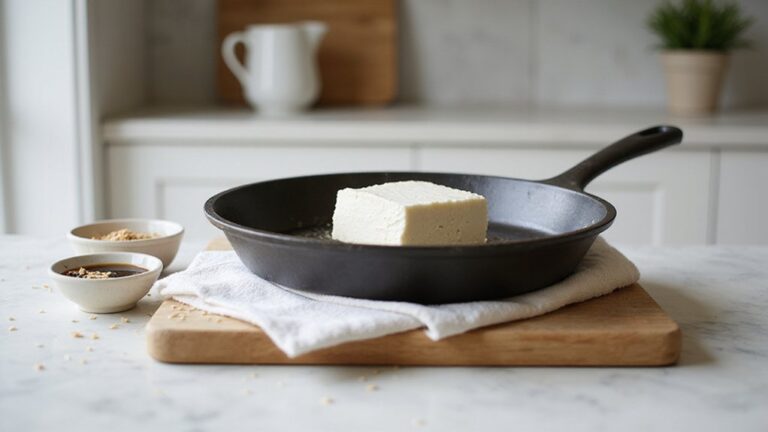
To create a non-stick seasoning with peanut oil, start by thoroughly cleaning and drying your pan. Scrub the surface with steel wool, wash with hot soapy water, and then dry completely on the stove. Any residual moisture can interfere with proper bonding of the oil, so ensure there is no dampness before proceeding. Using soap and warm water with a soft sponge is safe for cleaning cast iron without damaging the seasoning surface. Similar to deglazing a Dutch oven with beef stock or wine, this step removes food residue to prepare the surface for a new layer of oil. This careful drying process is essential because vacuum sealing techniques show that removing moisture dramatically reduces spoilage and mold growth.
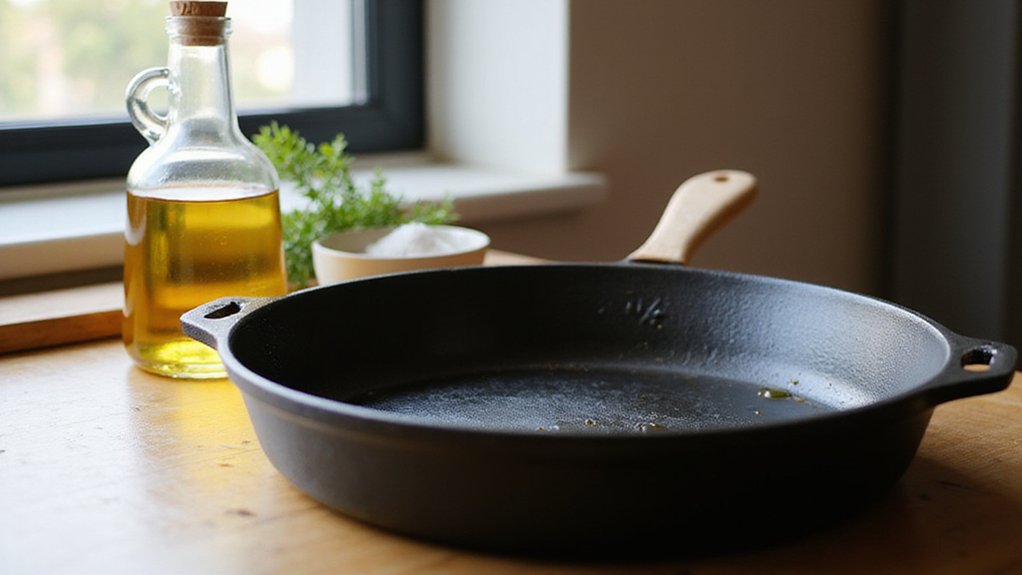
Next, apply an ultra-thin coat of refined peanut oil. Use only about 1/8 teaspoon—just a few drops—and spread it evenly in a circular motion across the entire surface, including the handle and bottom. The key is to keep the oil layer almost invisible; too much creates a sticky or uneven coating. Then, wipe off every bit of excess thoroughly with a clean cloth. If the surface still looks wet, you’ve applied too much oil.
Place the pan upside down in a preheated oven set between 450°F and 475°F. Position a baking sheet on a rack below to catch any drips. Bake the pan for 60 minutes, then let it cool completely inside the oven or on the stove. Repeat this oiling and baking process two or three additional times. Each cycle builds a more durable, non-stick layer that improves with each application.
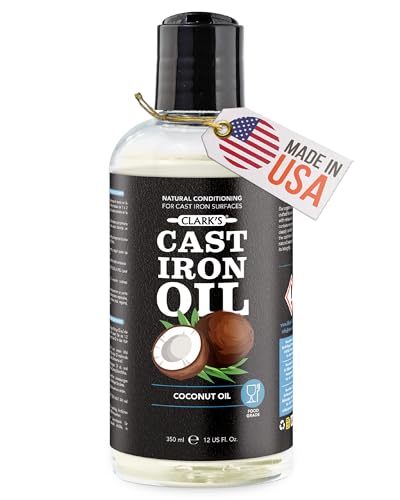
CLARK'S PREMIUM CAST IRON OIL - We use only highly refined Food-Grade Coconut Oil to ensure you get the best seasoning possible on your cast iron or carbon steel pots, pans, skillets, woks, griddles, and dutch ovens

One 128 fluid ounce bottle of Peanut Oil

Use on cast iron skillets, dutch ovens, and carbon steel cookware to build seasoning and protect from rust
Why You Should Bake at 350°F and Repeat
Baking at 350°F is ideal when you want to reduce smoke and better control the seasoning process. This moderate temperature aligns more closely with the smoke points of many common cooking oils, especially those lower than the high-smoke-point oils like peanut oil. While it takes at least one hour to bake at this temperature—slower than at 450°F—the extended time promotes effective polymerization of your seasoning layer. Using this method on pans with higher surface porosity can improve seasoning adhesion and overall durability. This careful heat control is similar to the precise temperature control used in sous vide egg cooking to achieve the perfect texture. For best results, gradually heat the pan to this temperature to prevent enamel cracking on coated cast iron.
The key to building durable, non-stick seasoning is repetition. A single 350°F bake won’t produce a robust, long-lasting coating. Instead, you should repeat the process about five times, applying a very thin oil coat each time. Wipe away any visible oil before baking to prevent sticky residues. Each cycle adds another layer of polymerized oil, gradually forming a thick, resilient barrier that improves non-stick qualities and overall resistance to wear. This approach can benefit from storing oil in impermeable containers to prevent oxidation, similar to preserving food freshness.
How to Maintain Your Cast Iron After Peanut Oil Seasoning
To maintain your cast iron after peanut oil seasoning, follow a consistent cleaning and oiling routine. Immediately after cooking, rinse the pan with warm water to remove food debris. Avoid using harsh detergents or abrasive scrubbers, as these can damage the seasoned layer. Dry the skillet thoroughly on the stove over medium-low heat until no dampness remains. This step prevents rust formation and helps maintain the seasoning.
For routine upkeep, apply a small amount of oil—about a dime-sized drop—to the warm skillet. Rub it into every surface evenly, then wipe off the excess using a clean cloth or paper towel. Heat the skillet until it smokes slightly; this helps cure the oil layer and maintain the non-stick surface. If the seasoning appears uneven or patchy, baking your skillet at 425°F for an hour can help restore a uniform coating.
When storing, keep the pan in a low-humidity environment to prevent rust. Before putting it away, apply a thin layer of oil to protect the surface. If stacking pans, place a paper towel or cloth between them to prevent abrasion and preserve the seasoning quality. This maintenance routine is effective because every cooking session enhances the seasoning layer through use.

YOUR NEW GO-TO SEASONING SPRAY: The Lodge Seasoning Spray is the perfect seasoning spray to maintain your cast iron cookware. It is made of 100% canola oil - no additives or propellants, to protect your cookware and enhance its finish.
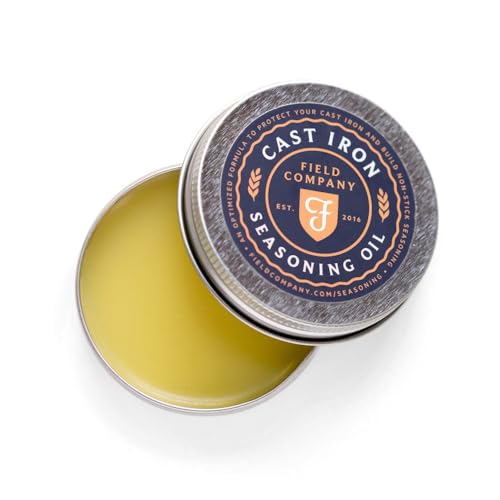
HOW TO USE: The key to naturally nonstick cast iron cookware? Cook often, and apply Seasoning Oil every time you clean your pan. Clean your cast iron with soap and a brush, then use a chain mail scrubber to smooth out existing seasoning layers. Apply a dab of Seasoning Oil and spread it thinly over the surface with a paper towel or clean rag. Wipe away excess oil to leave a dry, matte finish.
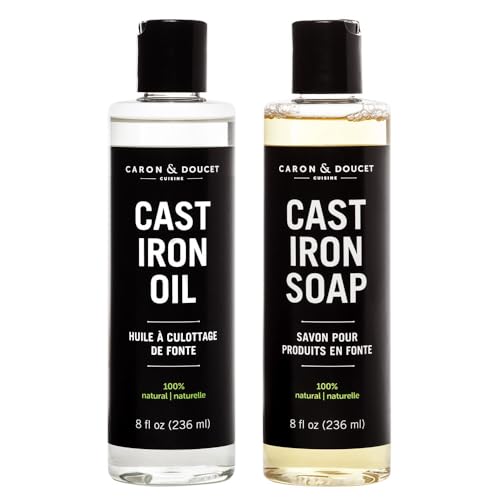
CLEANS CAST IRON | Includes our Cast Iron Soap unlike detergent based soaps, this soap is formulated with 100% natural plant-based oils & free of sulfates, phosphates, parabens & petrochemicals! Gentil on cast iron seasoning & on your hands!
5 Mistakes That Ruin Your Peanut Oil Seasoning Layer
Applying too much oil during seasoning creates a sticky, uneven layer that won’t polymerize properly. This results in gummy patches that compromise the non-stick surface. To avoid this, use only a thin, even layer of oil and wipe off excess before heating. Excess oil doesn’t polymerize and traps dirt, creating a gummy film that ruins the seasoning layer. Remember that regular use helps build and maintain the skillet’s natural nonstick seasoning, so don’t rely solely on initial seasoning. If you overshoot, the layer remains tacky and prone to flaking. Proper application ensures the oil bonds tightly to the iron, forming a durable, smooth finish. Using red wine and beef broth to deglaze a Dutch oven creates a rich, flavorful gravy that complements the seasoning process. To fix a sticky layer, place the skillet in a 300-500 degree oven for about an hour to loosen the gummy residue.

The information below is per-pack only

One 128 fluid ounce bottle of Peanut Oil

Pure roasted peanut oil in 8.4 fl oz bottle
When to Skip Peanut Oil: Allergy Risks and Safe Alternatives
Peanut oil should be completely avoided if allergy risks are present or if unrefined versions are used. While refined peanut oil removes most allergenic proteins and is generally considered safe for those with allergies, unrefined peanut oil retains these proteins and can trigger serious reactions. Because heat does not fully denature these proteins, unrefined oil is not suitable for seasoning or cooking in households with allergy concerns. To keep everyone safe, use alternative oils like vegetable oil for reseasoning your cast iron. One easy way to achieve a crispy crust is to preheat the skillet on the stovetop with cornmeal or flour before adding toppings. Enameled cast iron or stainless steel pans are also good options because they don’t require oil seasoning at all. If members of your household have mixed allergies, consider using separate pans with color-coded silicone handles to prevent cross-contamination. Always check with manufacturers to confirm that pre-seasoned oils are safe for allergy-prone individuals. Prioritizing these alternatives helps protect everyone and keeps your kitchen safe. If you need to strip an old skillet before reseasoning, you can use oven cleaner with lye to safely dissolve built-up residue. For precision baking tasks, a wireless meat thermometer can similarly monitor internal temperatures in bread or other baked goods if it is rated for oven heat.

The information below is per-pack only

Bold and Flavorful: Roasted Peanut Oil brings a deep nutty flavor to every meal. Delightfully bold in taste, it makes an excellent finishing oil for Asian and African style recipes, and the perfect culinary accessory for peanut aficionados.

For all-purpose cooking, frying, and roasting
Peanut Oil vs. Canola, Grapeseed, and Avocado: Which Is Best?
Grapeseed oil offers the highest durability due to its polyunsaturated fats forming a strong, cross-linked polymer layer. Canola oil provides similar durability at a lower cost, making it a solid choice if you’re balancing price and performance. Peanut oil creates a reliable seasoning layer but isn’t as hard as grapeseed or canola. Avocado oil performs the best in durability but comes with a higher price tag. Sitting between these options, grapeseed provides high durability at a moderate price, while canola is more budget-friendly. To achieve a durable finish, it is critical to wipe off excess oil before heating to prevent a sticky residue. Choose based on your specific seasoning goals and budget constraints. For best results, ensure the skillet is warmed to accept oil so the bond forms properly during application. Sunflower oil is also a practical and cost-effective alternative, as it creates a strong layer of seasoning capable of withstanding high cooking temperatures. For precise surface temperature readings during seasoning, an infrared thermometer offers instant non-contact measurements but is less reliable for determining the internal heat of the skillet.

Mild and Easy: Grapeseed Oil is at its best in stir-fries and sautés; it doesn't overwhelm other ingredients and lets fresh flavors shine. When grilling or frying, it is a must-have in the pantry.

100% GRAPESEED OIL BULK SIZE: Expertly crafted by The Olive Oil People using wine grape seeds imported from France

16.9 fluid ounce bottle of pure grapeseed oil
Does Peanut Oil Leave a Strong Flavor on Your Cookware?
Refined peanut oil typically does not leave a strong flavor on your cookware when used correctly. Its neutral profile results from high-quality processing that removes most nutty and intense flavors found in unrefined oils. Proper seasoning involves heating the oil between 350°F and 450°F, which polymerizes it into a durable, non-stick coating that traps any potential flavor molecules. To prevent sticky residue, you should wipe off excess oil thoroughly before baking or heating. Applying a thin, even layer helps the oil cure properly without leaving a gummy surface. Even for those with peanut allergies, trace residues do not usually impart a noticeable flavor to non-allergic users—so lingering tastes are minimal. Consistent high-heat cooking after seasoning maintains the neutral profile, ensuring your cookware remains free of strong flavors. This approach works well with machined cast iron skillets because their smooth, polished surfaces already reduce sticking and require less effort to build a durable seasoning layer. Using a mesh sieve to filter and save the oil for multiple uses is a common practice that helps maintain its quality.