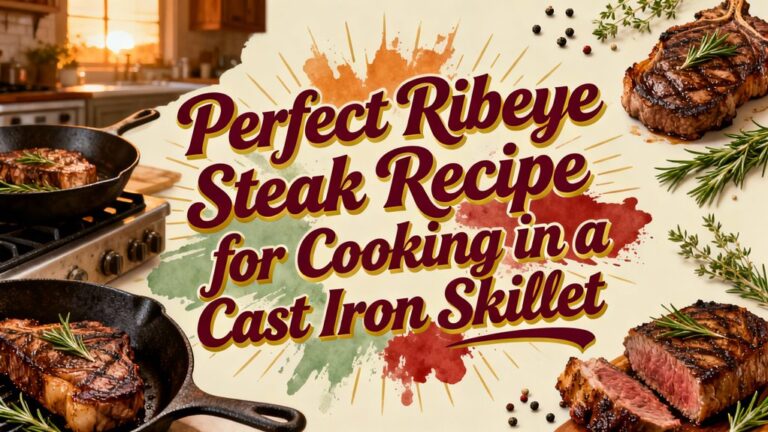
You’ll want to use refined avocado or canola oil for your initial sear since they’re stable at 480–475°F, preventing the burnt flavors that butter’s 350°F smoke point produces. Once your steak reaches within 20–30°F of target temperature, you can introduce ghee or butter for a rich finish. Ghee’s 490°F smoke point lets you add that nutty complexity without scorching. The specifics of timing and technique, however, deserve deeper exploration.
Understanding Smoke Points: Why Temperature Matters
When you’re searing a steak in cast iron, the fat you choose determines whether you’ll achieve a perfect crust or a pan filled with acrid smoke. Understanding smoke point significance is essential—it’s the temperature at which fats begin visibly smoking and chemically degrading.
Heating oil beyond its smoke point produces burnt flavors and potentially harmful byproducts that compromise your steak’s quality. Cast iron searing demands temperatures exceeding 400°F, requiring fats with corresponding thermal stability. Thermal stability effects directly impact how well your chosen fat withstands high heat without degradation. The historic reputation of cast iron’s even heating makes it a popular choice among cooks for achieving optimal searing results.
Refined oils maintain their integrity better than unrefined varieties due to lower free fatty acid content. Butter’s milk solids burn before butterfat reaches adequate searing temperatures, making it unsuitable for initial cooking. Selecting the right fat protects both flavor and food quality. Additionally, using a Dutch oven for low and slow cooking can enhance moisture retention in your dishes.
Avocado Oil and Canola Oil for High-Heat Searing
Since cast iron searing demands fats that’ll withstand temperatures exceeding 400°F without degrading, you’ll find that refined avocado oil and canola oil emerge as the two most reliable options for achieving an ideal crust.
Avocado oil’s superior smoke point of 480°F to 520°F grants you a safety margin when pursuing aggressive searing temperatures. Its monounsaturated fat content delivers avocado benefits including heart-healthy profiles while contributing a subtle buttery note that complements steak without overwhelming natural flavors. Additionally, cooking with cast iron skillets enhances the overall cooking performance and flavor of your steak.
Canola versatility shines through its neutral profile and widespread availability, performing reliably at temperatures up to 475°F. Though slightly lower than avocado oil, canola’s smoke point remains adequate for high-heat applications while offering affordability for frequent use.
Both oils resist degradation in cast iron, supporting best browning reactions essential for crust development. Additionally, selecting the right cooking fat is crucial for enhancing the cooking performance of your skillet, ensuring that your steak achieves optimal flavor and texture.
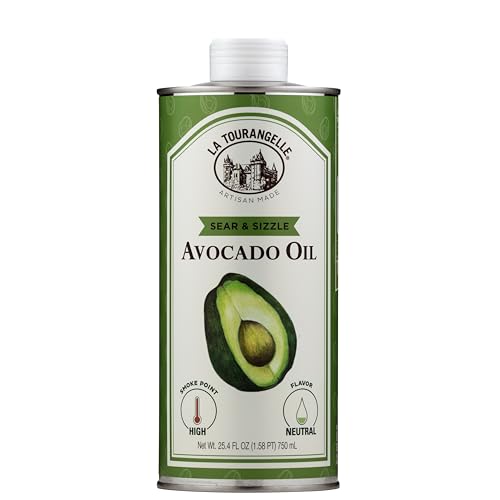
Healthy High Heat Oil: Expeller-pressed from fresh avocados and protected in our iconic light-blocking tin, this smooth, neutral oil preserves freshness and flavor. Fire up the grill, sear the perfect steak, or master a golden, crispy fry — all without losing the natural taste of your ingredients. With a high smoke point and everyday versatility, Sear & Sizzle should be every kitchen’s secret weapon.

America's #1 Avocado Oil for Cooking — Every batch of Chosen Foods avocado oil is independently tested to confirm 100% pure avocado oil with no fillers or seed oil blends. Our purity standard was verified by UC Davis as one of only two avocado oil brands to pass their rigorous quality test. This bottle delivers the clean, neutral taste and consistent high-heat performance that has made Chosen Foods the avocado oil of choice for home cooks, professional chefs, and clean-eating households across the United States.

[ COLD PRESSED ] – Cold pressed from select avocados without hexane or chemical solvents; minimally processed to help retain natural properties; a reliable oil for everyday cooking and beauty use.
Why Butter Falls Short for Initial Cooking
While butter’s rich flavor profile makes it tempting for steak preparation, its low smoke point of approximately 350°F fundamentally disqualifies it from cast iron searing that demands 400–500°F temperatures. You’ll encounter butter drawbacks immediately: milk solids scorch, releasing bitter compounds and dark specks across your steak’s surface. The water content—roughly 15-20%—creates steam that prevents the Maillard reaction essential for crust development, leaving you with gray, soft meat instead of caramelized excellence. Additionally, proper searing techniques ensure that the steak develops a beautiful crust that enhances flavor and texture.
Furthermore, butter pools unevenly across the cast iron, creating hot spots and compromising heat distribution. The pooled liquid slides away from direct contact, reducing surface-to-surface heat transfer efficiency. These limitations make butter unsuitable for initial searing. For superior results, consider searing alternatives like avocado or canola oil, which maintain stability at required temperatures while enabling proper crust formation. Furthermore, preheating the pan ensures even cooking and enhances the overall searing process.
Ghee: The Clarified Butter Advantage
If you’re seeking butter’s rich flavor without its technical limitations, ghee offers a superior solution for steak searing. You’ll appreciate ghee’s 490°F smoke point—nearly 200 degrees higher than regular butter—which eliminates burning concerns during high-heat cooking.
Ghee benefits extend beyond temperature tolerance. Since milk solids are removed during clarification, you won’t experience bitter flavors or structural breakdown. This stability allows you to maintain intense pan heat for the best crust formation, as cast iron requires proper seasoning to perform optimally.
The caramelized milk solids developed during processing deliver ghee recipes’ signature nutty, complex flavor profile. You get butter’s richness without compromise, enhancing your steak’s natural taste while supporting superior browning.
For cast iron searing, apply one tablespoon per steak, allowing it to warm for thirty seconds before searing. You’ll achieve restaurant-quality results consistently. Additionally, using ghee helps prevent moisture loss, similar to how juicy chicken breast retains its tenderness during cooking methods like those used in a Dutch oven.
Olive Oil: When to Use It and When to Skip It
Why does olive oil underperform for steak searing compared to ghee or refined oils? EVOO’s smoke point of 320°F to 375°F falls below the 400°F+ temperatures required for ideal searing. When you exceed this threshold, you’ll experience degraded flavor, bitter compounds, and toxic byproducts that compromise both taste and safety. Properly preheating the skillet is essential to achieving the right cooking temperature for your steak.
Your EVOO applications work best at low to moderate heat. Consider using refined or extra light olive oil variants for high-heat searing due to their superior smoke points. Olive oil drawbacks include excessive flare-ups, burnt flavors, and seasoning washout when overapplied.
Optimal olive oil pairings emerge post-cooking—finish your steak with a light drizzle of premium EVOO to enhance moisture and flavor without overheating. For thick cuts demanding prolonged, intense heat, skip olive oil entirely. Bone-in, skin-on chicken thighs are recommended for optimal texture, so match your cooking temperature considerations to your oil’s thermal stability for superior results.
Oiling the Pan Versus Oiling the Steak
Once you’ve selected your high-heat oil, you’ll face a fundamental choice: apply it to the skillet or directly to the meat.
Oiling advantages differ between methods. Pan oiling prepares your skillet for immediate cooking and delivers the traditional steakhouse texture, while steak oiling uses less oil overall and guarantees even coverage on the meat surface. The crust comparison reveals that oiled steaks often produce slightly superior browning, as oil remains in contact with the meat rather than pooling away. It’s important to note that temperature control is also crucial for achieving the perfect crust without burning the meat. A properly heated skillet can help achieve a good sear that locks in the juices and flavor.
Consider your priorities. Direct steak oiling reduces kitchen smoke and simplifies cleanup, making it resource-efficient. Pan oiling streamlines your workflow but requires careful smoke point management. For ideal results with thicker cuts, combine both methods: oil your steak, then transfer it to a preheated oiled skillet to finalize the crust. Both approaches activate the Maillard reaction effectively when heat and oil levels align properly.
The Art of Adding Butter for Finishing Touches
As your steak develops its golden crust, butter becomes your final tool for elevating flavor and texture—but timing’s everything. You’ll add butter when your steak reaches 20–30°F from your target temperature, preventing early addition that’d burn and compromise the crust. One crucial step before cooking is to ensure your cast iron skillet is properly seasoned to create a natural non-stick surface and enhance the pan’s longevity.
Combine unsalted butter with olive oil to raise the smoke point, then infuse it with garlic and herbs like rosemary or thyme. Using a large metal spoon, tilt your pan and continuously baste for 1–2 minutes, allowing the butter infusion to coat the steak’s surface while preserving the Maillard reaction. This technique ensures you achieve an even crust without softening your hard-won crust. After basting, rest your steak 5–10 minutes, letting juices redistribute before serving with pan drippings.

KERRYGOLD IRISH BUTTER WITH GARLIC & HERBS: The creamy, rich texture & sweet flavor of our original, classic Pure Irish Butter, with an additional, complex layer of garlic & herb, brings any dish to life.

GARLIC & HERB BUTTER SPREAD: Land O Lakes Garlic & Herb Butter Spread is packed with the bold flavors of garlic and herbs, and spreadable right out of the fridge
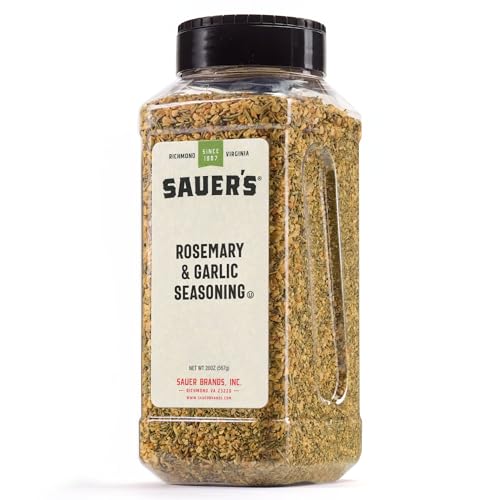
Aromatic herbs come together with garlic for a unique, all-purpose blend
Achieving the Perfect Crust With the Right Fat
While butter’s nutty finish enhances your steak during the final basting stage, the foundation of that prized golden crust depends entirely on selecting the right fat for your initial sear. You’ll achieve superior crust consistency with high smoke point oils—canola, avocado, or regular olive oil—that maintain stability at the 400-450°F temperatures your preheated cast iron demands. These pure fats enable direct contact between steak surface and pan, allowing the Maillard reaction to develop evenly without interference from butter solids that burn unevenly. Your fat selection directly determines browning capability; oil distributes heat uniformly across the meat’s surface, creating that crispy exterior while preserving interior juiciness. Notably, cast iron skillets excel in maintaining even heat distribution, which enhances the browning process even further. Cooking with oil in a well-seasoned cast iron skillet is recommended for most foods, and beef tallow offers exceptional performance too, delivering distinctive savory notes alongside reliable heat tolerance for extended cooking sessions.

Graza Frizzle Oil Made from 100% Olives: A neutral-flavored, high heat cooking oil made from 100% peak harvest olives. With a smoke point of up to 450 degrees, Frizzle is your high-heat kitchen hero. 1 bottle/750ml.

Light Buttery Flavor That Elevates Every Meal: Algae Cooking Club Chef-Grade Algae Oil enhances every dish with subtle richness. Its neutral profile makes it ideal for searing, baking, and dressings, transforming everyday meals into gourmet experiences.

Light Buttery Flavor That Elevates Every Meal: Algae Cooking Club Chef-Grade Algae Oil enhances every dish with subtle richness. Its neutral profile makes it ideal for searing, baking, and dressings, transforming everyday meals into gourmet experiences.
Cast Iron Preparation and Temperature Guidelines
To build the foundation for an exceptional crust, you’ll need to preheat your cast iron skillet to 500°F—the temperature threshold where oil instantly shimmers and smoke begins rising from the pan’s surface. Place your skillet in a cold oven and heat for 20-25 minutes to achieve ideal preheating and uniform heat distribution throughout the pan’s mass. This oven-based methodology guarantees temperature consistency that stovetop heating alone can’t replicate.
Cast iron’s exceptional heat retention properties make it perfect for searing. The skillet maintains steady temperatures when your steak contacts the surface, preventing cold spots that compromise browning. Proper skillet maintenance through regular preheating maximizes these advantages. Once your pan reaches the target temperature, you’re ready to introduce your chosen fat and achieve that perfect sear. However, if you’re using a glass top stove, make sure that your cast iron has a smooth bottom to avoid scratching the cooktop.

Deep Cooking Capacity: The Lodge Cast Iron Covered Deep Skillet features a spacious design with extra room for braising, frying, and sautéing family-size meals for versatile everyday cooking

Seasoned with oil for a natural, easy-release finish that improves with use

CAST IRON SKILLET PAN: Our high-quality fajita pan is seasoned with non-GMO, Kosher-certified flaxseed oil and is PTFE- and PFOA-free for better & healthier food. Plus, the textured engineered surface maintains seasoning better than milled-smooth pans.
Complete Best Practices for Cast Iron Steak Cooking
Now that you’ve preheated your cast iron skillet to the ideal temperature, the fat you choose becomes your next critical decision for achieving a restaurant-quality sear. Start with high-smoke-point vegetable oil like canola or avocado oil for initial searing, then introduce butter with garlic and fresh herbs during the final cooking stage. This two-fat approach maximizes crust development while minimizing burn risk. Additionally, be sure to monitor the skillet temperature, as high temperature is crucial for creating a proper sear. To maximize flavor, consider adding garlic herb butter as a finishing touch to enhance the overall taste of the steak.
After searing each side for 2–4 minutes without moving, reduce heat and continuously baste with the butter mixture. Monitor internal temperature with a meat thermometer, targeting 130°F for medium-rare. Once you’ve reached your desired doneness, resting steaks loosely tented with foil for approximately 5 minutes redistributes juices throughout the meat, achieving tenderness and flavor retention that separates exceptional steaks from mediocre ones.