You don’t absolutely need a lid for your cast iron skillet, but you’re missing significant cooking advantages without one. A lid traps thermal energy, maintains consistent temperatures, and enhances moisture retention—essential for braising, stewing, and simmering. However, you’ll want to skip the lid for high-heat searing and sautéing to achieve ideal browning. Cast iron lids come in enameled, glass, and stainless steel options, each offering distinct benefits. Understanding when and how to use a lid fundamentally transforms your cooking results.
How Lids Enhance Heat Retention and Distribution
When you place a lid on your cast iron skillet, you’re fundamentally altering how heat behaves within the cookware. The lid traps thermal energy, preventing convective heat loss to your kitchen environment. Cast iron’s exceptional thermal mass combined with a properly fitted lid creates a stable cooking zone where temperatures remain consistent throughout the cooking process. This heat retention mechanism directly improves cooking consistency. You’ll experience uniform heat distribution across the entire pan surface, eliminating hot spots that typically cause uneven cooking. Moisture management becomes equally critical—your lid seals in steam, which circulates internally and facilitates even heat transfer. The condensation that forms on the glass lid drips back into your food, enhancing both flavor and texture while maintaining the moist environment necessary for braising and stewing applications. Additionally, using a lid can be especially useful when preparing Dutch oven desserts, which often require a controlled cooking environment to achieve optimal results. Furthermore, the techniques used for cooking with a lid can also draw upon heat distribution methods that are essential for Dutch ovens.

Moisture-Locking Cast Iron Cover: The Lodge Seasoned Cast Iron Lid features a tight-fitting design that seals in moisture and supports even, consistent cooking

Moisture-Locking Cast Iron Cover: The Lodge Seasoned Cast Iron Lid features a tight-fitting design that seals in moisture and supports even, consistent cooking
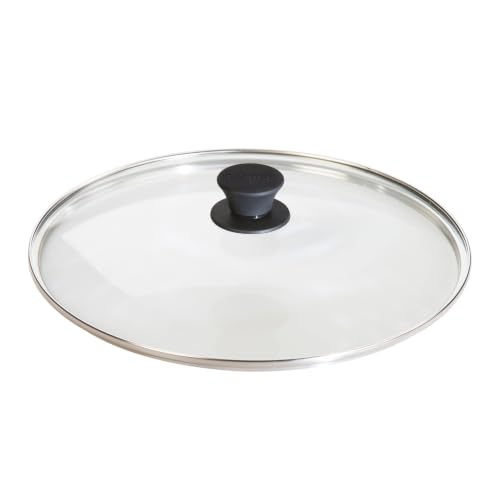
Versatile Skillet Lid: The Lodge Round Glass Lid fits 12 inch Lodge skillets and pans, helping lock in flavor and moisture for consistent cooking results
Essential Cooking Techniques That Require a Lid
While cast iron’s thermal properties shine in exposed cooking, a lid becomes indispensable for techniques where you’re managing both heat and moisture to achieve specific textures and flavors. Your simmering techniques benefit dramatically from lid coverage, which maintains consistent liquid temperature during slow-cooked dishes like Mediterranean stews with chicken thighs. The lid prevents evaporation while allowing aromatics to infuse into your broth. Additionally, when using a lid, the benefits of even heat distribution enhance the overall cooking process, similar to the performance of a Dutch oven.
For frying efficiency, you’ll find that lid placement reduces oil splattering while maintaining steady temperatures. Cast iron’s thermal mass recovers oil temperature quickly after food addition, and the contained environment stabilizes your cooking vessel superior to alternatives.
Additionally, sear-and-steam methods and shallow frying operations rely on strategic lid usage to finish proteins evenly while preventing exterior overcooking—techniques where you’re actively controlling moisture and heat simultaneously. Furthermore, employing a lid allows for moisture retention and enhances the flavors of the dish during these cooking methods.

Moisture-Locking Cast Iron Cover: The Lodge Seasoned Cast Iron Lid features a tight-fitting design that seals in moisture and supports even, consistent cooking

PLEASE SEE 3RD IMAGE FOR EXACT DIMENSIONS: Fits cookware with an inner rim diameter of 11.6"-12.2" (296-309mm). Measure the INSIDE of your pan's rim - not the outer edge - before ordering.

Deep Cooking Capacity: The Lodge Cast Iron Covered Deep Skillet features a spacious design with extra room for braising, frying, and sautéing family-size meals for versatile everyday cooking
When to Skip the Lid for Better Results
Cast iron’s exceptional heat retention and thermal mass become your greatest assets when you remove the lid entirely. High heat searing demands exposed cooking to achieve restaurant-quality browning. Without a lid, moisture escapes freely, creating the crispy, golden-brown crusts that define professional searing techniques.
You’ll find that lid-free cooking prevents steam accumulation, which would inhibit the Maillard reaction essential for crust development. The consistent surface temperature across your pan eliminates cold spots that compromise searing quality. Cast iron’s versatility allows you to explore various cooking methods that benefit from this approach.
Remove the lid when sautéing vegetables, cooking eggs, or preparing pancakes—applications requiring rapid moisture evaporation and enhanced caramelization. For stove-to-oven shifts with cornbread or brownies, exposed cooking delivers superior results. You’ll also realize that open-pan cooking accelerates your seasoning layer’s development, continuously building non-stick capability through accumulated patina exposure. Additionally, the proper seasoning process can further enhance the performance of your cast iron skillet during lid-free cooking.
Choosing the Right Lid Material for Your Needs
Selecting the ideal lid material demands understanding how each option’s thermal properties, maintenance requirements, and lid durability align with your cooking style.
Cast iron lids excel for braising and moisture-intensive dishes, delivering superior heat retention and self-basting capabilities. They require regular seasoning and oiling to prevent rust, making them ideal for dedicated cast iron enthusiasts. Additionally, employing a natural cleaning technique using coarse salt helps maintain the integrity of the cast iron and extend its lifespan. To ensure longevity, it’s crucial to thoroughly dry cookware after each use to prevent rust on exposed edges.
Enameled cast iron lids offer exceptional lid aesthetics and simplified maintenance—no seasoning needed. The glass-like finish resists acidic foods, stains, and scratches, suiting those prioritizing convenience over tradition.
Glass lids enable real-time monitoring but sacrifice moisture retention and heat tolerance, limiting their high-temperature applications.
Match your lid material to your primary cooking methods. Choose cast iron for consistent, moist heat; enamel for versatility and low-maintenance cooking; glass for visual feedback during gentler preparations.

UNIVERSAL FIT FOR POTS AND PANS - Our 2-pack universal pan lid set fits cookware with 7", 8", 9", 10", 11", and 12" diameters — skillets, fry pans, saucepans, stock pots, woks, and crockpot replacement lids.

Seasoned with oil for a natural, easy-release finish that improves with use
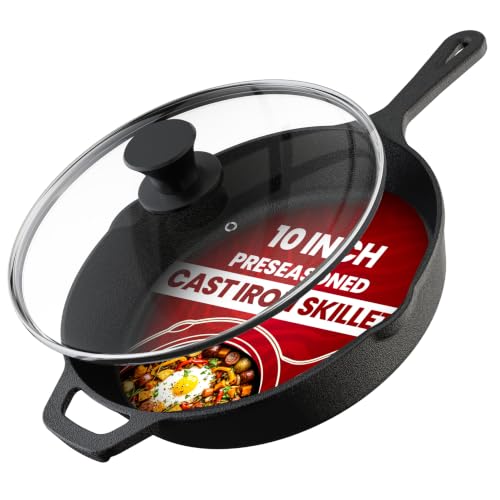
Cast Iron Pan – The Cast Iron Grill Pan comes with pre-seasoned quality, making it ready for use straight out of the box and preventing any rusting issue. Our cast iron pan set comes with unique handles for easy maneuvering and pouring.
Glass Lids vs. Metal Lids: A Detailed Comparison
Because you’ll regularly need to monitor your cast iron skillet’s contents, understanding the practical differences between glass and metal lids becomes essential to your cooking success. Glass visibility offers transparent monitoring without lifting the lid, preserving heat and moisture during cooking. However, condensation can fog your view, though brief wiping restores clarity. Additionally, using a lid can help maintain even heat distribution when cooking with a cast iron skillet.
Stainless steel lids provide superior heat resistance, tolerating temperatures exceeding 2500°F compared to glass’s 400°F limit. For steam management, glass lids with vents reduce trapped moisture and prevent boiling over, while steel lids create tighter seals beneficial for slow cooking.
Glass lids suit moderate-heat simmering and sautéing, while steel excels at high-heat braising and roasting. Steel offers durability against impacts and warping; glass requires careful handling. Consider your typical cooking techniques when choosing between these materials. Additionally, employing the practice of sous vide cooking can enhance flavor depth when utilizing a cast iron skillet for searing post-sous vide.

Versatile Skillet Lid: The Lodge Round Glass Lid fits 10.25 inch Lodge skillets and pans, helping lock in flavor and moisture for consistent cooking results

【All-in-One 4-Piece Cookware Set for Versatile Cooking】This complete enameled cast iron cookware set includes a 10.25" skillet, 2QT saucepan with lid, 2.8QT small Dutch oven, and 4.8QT large Dutch oven with lids. Perfect for everyday tasks from frying eggs and making sauces to slow-cooking roasts, soups, and baking bread. Whether you’re preparing quick weeknight meals or weekend feasts, this set covers all your cooking needs

Steady Heat Distribution - This cast iron skillet locks in even heat across every inch, delivering that perfect golden sear on steaks, crispy cornbread edges and beautifully caramelized vegetables that make every home-cooked meal taste restaurant-worthy.
Impact of Lids on Cast Iron Seasoning and Maintenance
Now that you’ve determined whether glass or metal better suits your cooking style, you’ll want to understand how lids affect your pan’s seasoning and long-term maintenance. Lids trap steam that condenses and drips back onto your cooking surface, creating moisture exposure that weakens your polymerized oil coating. This repeated moisture exposure gradually erodes your seasoning’s water-resistant barrier, causing seasoning degradation over time. To maintain the integrity of your seasoning, consider the importance of blanching squash before freezing if you plan to store it for an extended period.
You’ll need immediate post-cooking drying to prevent rust and preserve seasoning integrity. Never use soap during cleanup—it removes the protective coating. Store your pan without its lid to allow air circulation and prevent trapped humidity accumulation. Consistent use with oils high in unsaturated fats maintains your seasoning regardless of lid usage. Temperature control remains critical when cooking with lids, as excessive heat damages existing layers while proper heat supports gradual seasoning buildup. Additionally, using enough oil to coat the pan’s surface is essential for preventing food from sticking, especially when cooking with a lid.
Compatibility Issues and Fitting Concerns
Why does a cast iron lid marked “size 12” from one manufacturer refuse to fit your “size 12” skillet from another? Manufacturer compatibility issues stem from the absence of standardized sizing across the industry. Wagner and Griswold used identical catalog numbers for cookware with different actual dimensions. BSR intentionally manufactured slightly larger products, rendering their lids incompatible with competitors’ items. Rim dimensions vary by half an inch to an inch between brands, directly affecting lid fitting. Lodge prioritized interchangeability within their own product lines but achieved no cross-brand compatibility. Physical test-fitting remains your most reliable verification method. Catalog numbers and logo matching provide stronger compatibility indicators than size designations alone. When matching cast iron lids prove elusive, aluminum or Pyrex alternatives accommodate various skillet sizes effectively. Additionally, enamel-coated cookware offers enhanced durability and easier maintenance, making it a viable option for those facing fitting challenges.
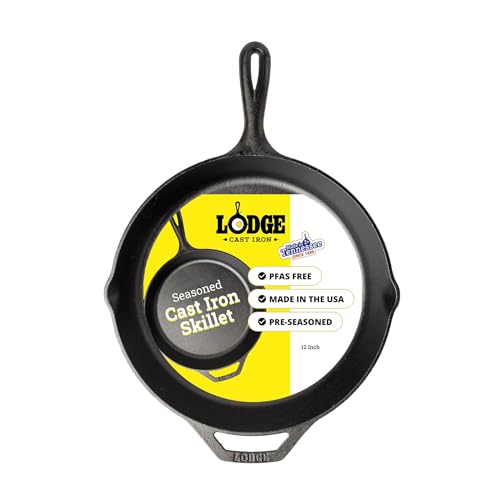
Quality Cast Iron Frying Pan: The Lodge Seasoned Cast Iron Skillet is loved for its great heat retention, incredible durability, and ability to make almost any recipe you dream up

Quality Cast Iron Frying Pan: The Lodge Seasoned Cast Iron Skillet is loved for its great heat retention, incredible durability, and ability to make almost any recipe you dream up
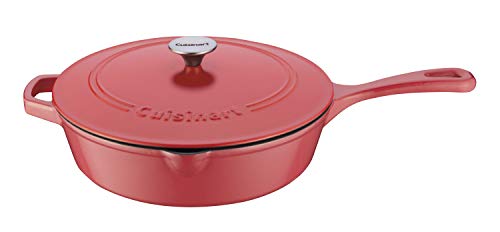
SUPERIOR HEAT RETENTION & EVEN COOKING – Heavy-duty cast iron construction delivers exceptional heat retention and even heat distribution for consistent cooking results, from slow-simmered stews to perfectly roasted meals.
Storage and Practical Considerations
Storage logistics present practical challenges that extend beyond simply finding space in your kitchen cabinet. Glass lids demand sturdy storage solutions due to their weight and fragility. You’ll need to implement effective lid organization strategies to maximize cabinet efficiency while safeguarding against damage.
Vertical storage racks or hooks substantially reduce spatial demands. You should store lids separately from skillets using protective cloth barriers, preventing scratches and chipping. Keep both components completely dry before storage to eliminate rust and condensation risks, as thorough drying is crucial for maintaining your cookware’s longevity.
Labeling lids by size streamlines retrieval and prevents frustration. Position storage near corresponding skillets to optimize workflow efficiency. Consider drawer dividers or cabinet organizers to maintain upright positioning. Regular inspections for hairline cracks guarantee safe usage. These practical storage solutions balance accessibility with protection, maintaining your cookware’s longevity. Additionally, using tools like a propane torch can assist in achieving culinary precision, much like how proper lid storage preserves your cast iron skillet’s integrity.
Making the Decision: Do You Really Need One?
Determining whether you’ll benefit from a cast iron lid depends entirely on your cooking habits and priorities. If you regularly prepare stews, braises, or slow-cooked dishes, a lid greatly improves cooking efficiency by maintaining consistent temperatures and preventing moisture loss. You’ll find the investment worthwhile for oven baking or covered stovetop cooking where heat retention matters greatly. Proper moisture retention also helps to prevent rust, making your cookware last longer.
However, if you primarily sear meats or sauté vegetables without covered cooking, a lid remains optional. Consider your kitchen’s demands: frequent low-and-slow cooking justifies the purchase, while occasional high-heat searing doesn’t require one. The lid benefits extend beyond mere convenience—they fundamentally alter your cookware’s functionality. Additionally, using a lid helps maintain consistent temperatures during cooking processes, similar to the benefits gained from a Dutch oven. Ultimately, assess whether the enhanced moisture retention, temperature control, and cooking efficiency align with your typical meal preparation methods before deciding.